
Ben Skull
Ben Skull is an author and former Wall Street insider who spent nearly three decades in finance before writing Wall Street Mafia and its follow-up, Gangs of Wall Street. His core conviction, drawn from witnessing both extraordinary wealth and devastating corruption, is that no amount of money, status, or influence is worth losing your character. Ben Skull's deepest message is that your past explains you, but it does not have to define you.
From foster care to the trading floors of Wall Street, and from firsthand witness to some of finance's darkest corners to the quiet discipline of the writer's desk, Ben Skull's story spans worlds that rarely appear in the same sentence. In this interview with Powerful Blueprints, Ben talks candidly about the lessons that took decades to learn, the quieter message underneath his most explosive stories, and the single book he is determined to finish. Good morning, Ben!
When did Ben Skull first realize he was already a writer?
Ben Skull recognized himself as a writer not by choice but by necessity — when he understood that the stories he had lived through three decades on Wall Street could not be allowed to disappear.
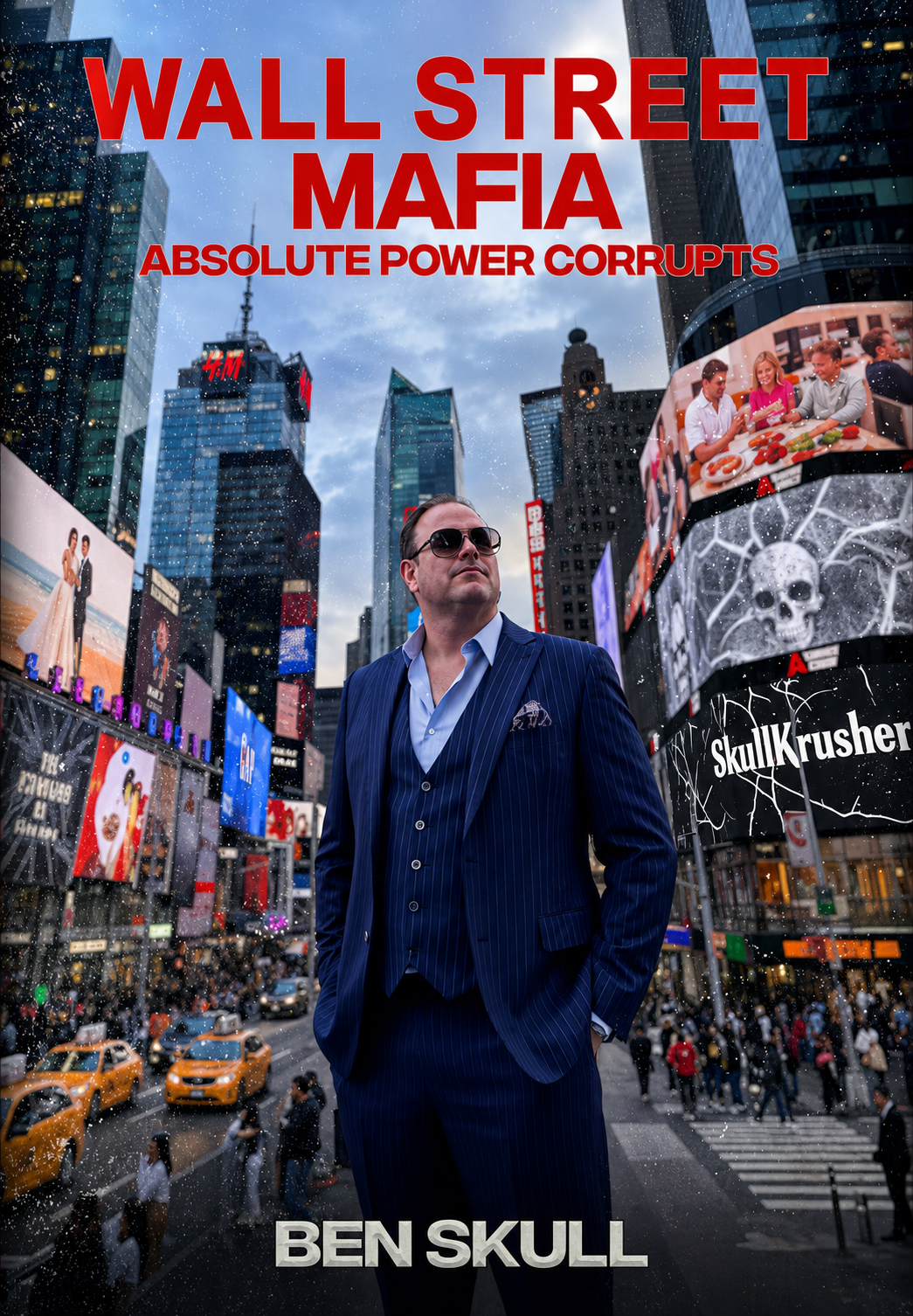
I didn't wake up one day and decide to become a writer. I realized I already was when I couldn't let these stories die with me. After nearly three decades on Wall Street, I'd seen a world most people never knew existed. Every time I told one of those stories, people would say, "You have to write that down." Eventually, I understood I wasn't just telling stories — I was documenting a piece of history. That's when I realized I wasn't trying to become a writer. I already was. The book was just catching up to who I'd become.
How does Ben Skull build a book from the first instinct to the finished draft?
Ben Skull's writing process begins with a memory he cannot shake, moves through days of research and silence before a single sentence is written, and ends only when the story finally feels told the way it was asking to be told.
A book usually starts with a memory I can't shake. It might be a person, a conversation, a dangerous situation, or one detail that keeps replaying in my head. I don't begin by outlining chapters. I begin by asking myself, "Why is this still following me?"

Then comes the part that looks nothing like writing. I drive. I work out. I sit in silence. I call people who were there and test my memory against theirs. I go through old names, places, timelines, court cases, news reports, and details I haven't thought about in years. Sometimes I spend days thinking about one scene before I write a single sentence.
Once I know the emotional truth of the story, I tell it out loud the way I would tell it across a dinner table. That is where my voice comes from. I'm not trying to sound literary. I'm trying to make the reader feel like they are standing next to me while it is happening.
The first draft comes fast and raw. I get the whole story down without worrying too much about grammar, structure, or whether every sentence is perfect. Then I go back and build it properly. I tighten the pacing, move scenes around, remove repetition, protect identities where necessary, and make sure every chapter earns its place.

The hardest part is deciding what to leave out. Real life is messy. A book needs direction. Not every great story belongs in the final draft, and sometimes the most painful material is also the most important.
By the end, the draft has gone through so many changes that it barely resembles the first version. But the original instinct is still there — that first memory that refused to leave me alone. That is usually how I know the book is finished: the story finally feels like it has been told the way it was asking to be told.
What lessons took Ben Skull the longest to learn, and did they find their way into his books?
Ben Skull's hardest-won lessons — that success without integrity is failure with better marketing, and that loyalty should never require you to sacrifice your values — both found their way into his books, even when disguised behind different characters and settings.
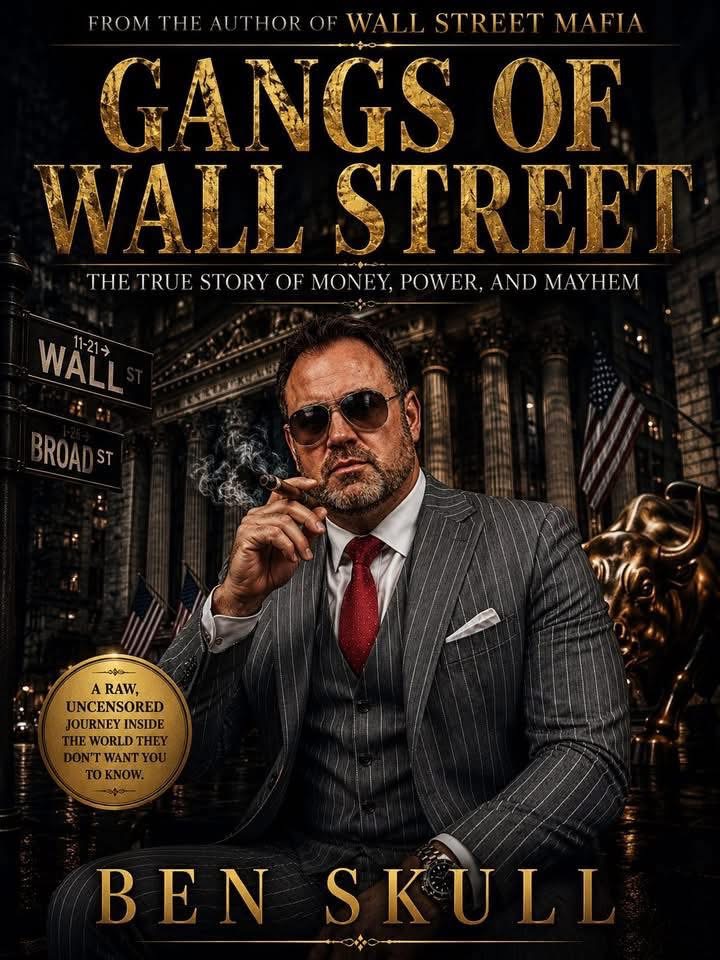
The longest lesson for me was realizing that success without integrity is failure with better marketing.
Early in my career, I thought the smartest people in the room always won. I learned the hard way that intelligence, money, and influence don't protect you from greed, ego, or bad decisions. Some of the most brilliant people I met on Wall Street built fortunes — and then watched them disappear because they believed they were untouchable.
Another lesson was understanding that loyalty has limits. I grew up believing loyalty meant standing by people no matter what. Experience taught me that real loyalty never requires you to sacrifice your values. Some relationships have to end because the cost of keeping them is too high.
Those lessons absolutely found their way into my books, even when they're disguised. A character may have a different name, a different background, or a different role, but the lesson underneath is real. The people change. The truth doesn't.
That's one of the reasons I wrote Wall Street Mafia and why I'm writing Gangs of Wall Street. They're not just stories about finance, crime, or power. They're stories about human nature. Greed, ambition, fear, loyalty, betrayal, redemption — those themes exist in every industry and every generation.
If readers finish one of my books entertained, that's great. But if they also come away understanding that every shortcut has a price, every decision has consequences, and character matters more than success, then I've accomplished what I set out to do.
What is the message Ben Skull's books approach but never quite say directly?
Beneath the stories of power, crime, and corruption in Ben Skull's books runs a quieter, consistent message: your past explains you but does not have to define you, and the greatest investment any person can make is in the person they become.
If there's one thing I hope people hear beyond the pages of my books, it's this:
Your past explains you, but it doesn't have to define you.
I grew up in foster care. I spent nearly three decades on Wall Street, where I saw extraordinary success, devastating failures, incredible generosity, and unbelievable corruption. I've met billionaires who were prisoners of their own greed and people with almost nothing who possessed more peace than money could ever buy.
What I've learned is that every decision moves you in one of two directions — toward becoming the person you were created to be or toward becoming someone you no longer recognize.
My books tell stories about power, money, crime, loyalty, and betrayal. But underneath all of that is a quieter message: no amount of wealth, status, or influence is worth losing your character. The market can take your fortune. The government can take your assets. Competitors can take your business. But only you can give away your integrity.
I also want people to know that redemption is real. You are not the worst mistake you've made, and you are not trapped by the chapter you're living in today. Every day gives you another opportunity to choose differently, lead differently, love your family better, and leave behind something that matters.
If my books are remembered years from now, I hope it isn't because people were shocked by what happened on Wall Street. I hope it's because they were reminded that, in the end, the greatest investment you'll ever make isn't in a stock, a company, or a deal.
It's in the person you become.
What do people almost always get wrong about Ben Skull as a person and writer?
Ben Skull is consistently misread as someone fascinated by money, when his actual obsession has always been people — what they sacrifice for power, what they risk to protect the lives they've built, and what they lose when success becomes an identity rather than a tool.
People often assume I'm fascinated by money.
I'm not.
Money has simply been the backdrop for the stories I've lived.
What has always fascinated me is people — what they're willing to do for power, what they'll sacrifice for success, and what they'll risk to protect the lives they've built. Wall Street just happens to be one of the places where human nature is magnified. Strip away the trading floors, private jets, and million-dollar deals, and you're left with the same emotions that drive every person: fear, ambition, love, loyalty, pride, and redemption.
Another thing people often get wrong is that they think my books celebrate that world. They don't. They reveal it.
Yes, there are larger-than-life characters, unbelievable deals, and stories that sound like Hollywood. But underneath all of it is a warning. I've seen what happens when success becomes an identity instead of a tool. I've watched people gain everything they thought they wanted and lose the things that actually mattered.
Away from the books, I'm a husband, a father of five boys, and a man whose priorities have changed over time. The greatest moments of my life aren't the biggest deals I closed — they're the evenings coaching my sons, traveling with my family, and knowing that the people closest to me trust the man I've become.
If readers only see the Wall Street stories, they've only met one chapter of my life. The work is about extraordinary events. The person behind it is simply someone trying to leave his family — and his readers — with something more valuable than another great story.
What is Ben Skull's one-year goal, and what should we hold him accountable to?
Ben Skull's stated goal for the next twelve months is to finish Gangs of Wall Street — not to sign a deal, attract Hollywood interest, or grow his platform, but to complete the book to the highest standard he can.
If you check back with me one year from now, I want you to ask me one question:
"Did you finish Gangs of Wall Street?"
Not whether I started it. Not whether I signed another deal. Not whether Hollywood called. Just whether I finished it.
I've learned that ideas are everywhere, but finished work is rare. It's easy to get distracted by business opportunities, speaking engagements, social media, or chasing the next big thing. The hard part is sitting down day after day and completing the work that only you can do.
Gangs of Wall Street is the story I feel most compelled to tell. It goes deeper into the people, the culture, and the hidden world behind the headlines. Some of those stories have never been told publicly, and they deserve to be preserved with honesty, context, and purpose.
Success for me isn't measured by bestseller lists or movie deals. Those would be incredible opportunities, but they're not the finish line. Success is knowing I had the discipline to complete the book to the highest standard I could.
So if we're talking a year from now, don't ask me how many followers I have or how many interviews I've done.
Ask me if Gangs of Wall Street is in readers' hands.
If the answer is yes, then I'll know I kept the promise I made to myself.
Thank you so much for sharing your story with us, Ben.
Frequently Asked Questions about Ben Skull
What is Ben Skull's central message across his Wall Street books?
Having spent nearly three decades in an industry where money, power, and ego collide daily, the message I keep returning to is this: your past explains you, but it doesn't have to define you. My books tell stories about greed, loyalty, betrayal, and redemption — but those are just the vehicles. The deeper truth I want readers to carry is that no amount of wealth, status, or influence is worth losing your character. The market can take your fortune, the government can take your assets, and competitors can take your business. But only you can give away your integrity.
What is Ben Skull's writing process for turning real Wall Street experiences into a book?
As someone writing from lived experience rather than imagination, my process starts with a memory I can't shake — a person, a conversation, a detail that keeps replaying in my head. Before I write a single sentence, I drive, work out, sit in silence, and call people who were there to test my memory against theirs. I research old names, timelines, court cases, and news reports that I haven't thought about in years. Once I know the emotional truth of the story, I tell it out loud the way I would across a dinner table — that is where my voice comes from. The first draft comes fast and raw, and then I go back and build it properly, tightening pacing, removing repetition, and making sure every chapter earns its place.
What is Ben Skull's hardest-won lesson from his career on Wall Street?
After years of watching some of the most brilliant people I knew build extraordinary fortunes and then lose everything, the lesson that took me the longest to truly accept is that success without integrity is failure with better marketing. Early in my career I believed the smartest people in the room always won. I learned the hard way that intelligence, money, and influence offer no protection against greed, ego, or bad decisions. I also learned that real loyalty never requires you to sacrifice your values — some relationships have to end because the cost of keeping them is simply too high. Both of those lessons found their way into my books, even when they're disguised behind different characters and settings.
What does Ben Skull most want readers to understand that his books approach but never directly state?
Growing up in foster care and spending decades watching people gain everything they thought they wanted and lose what actually mattered, the thing I most want readers to hear is that redemption is real. You are not the worst mistake you've made, and you are not trapped by the chapter you're living in today. Every day gives you another opportunity to choose differently, lead differently, and love your family better. If my books are remembered years from now, I hope it isn't because readers were shocked by what happened on Wall Street — I hope it's because they were reminded that the greatest investment you'll ever make is in the person you become.
What does Ben Skull say people consistently get wrong about him as a writer?
The most common misconception people have is that I'm fascinated by money — but money has simply been the backdrop for the stories I've lived. What has always fascinated me is people: what they're willing to do for power, what they'll sacrifice for success, and what they'll risk to protect the lives they've built. Another thing people often get wrong is assuming my books celebrate the Wall Street world. They don't — they reveal it, and underneath all the larger-than-life characters and deals is a warning about what happens when success becomes an identity instead of a tool. Away from the books, I'm a husband and a father of five boys, and the greatest moments of my life are the evenings coaching my sons and traveling with my family, not the biggest deals I closed.
What is Ben Skull's one-year goal and why does finishing Gangs of Wall Street matter so much to him?
The one thing I want to be held accountable for over the next twelve months is finishing Gangs of Wall Street — not signing a deal, not attracting Hollywood interest, but completing the book to the highest standard I can. I've learned that ideas are everywhere, but finished work is rare, and it's easy to get distracted by business opportunities, speaking engagements, and social media when the hard part is sitting down day after day to complete work that only you can do. Gangs of Wall Street goes deeper into the people, the culture, and the hidden world behind the headlines, and some of those stories have never been told publicly. For me, success isn't measured by bestseller lists — it's knowing I had the discipline to keep the promise I made to myself and get this story into readers' hands.