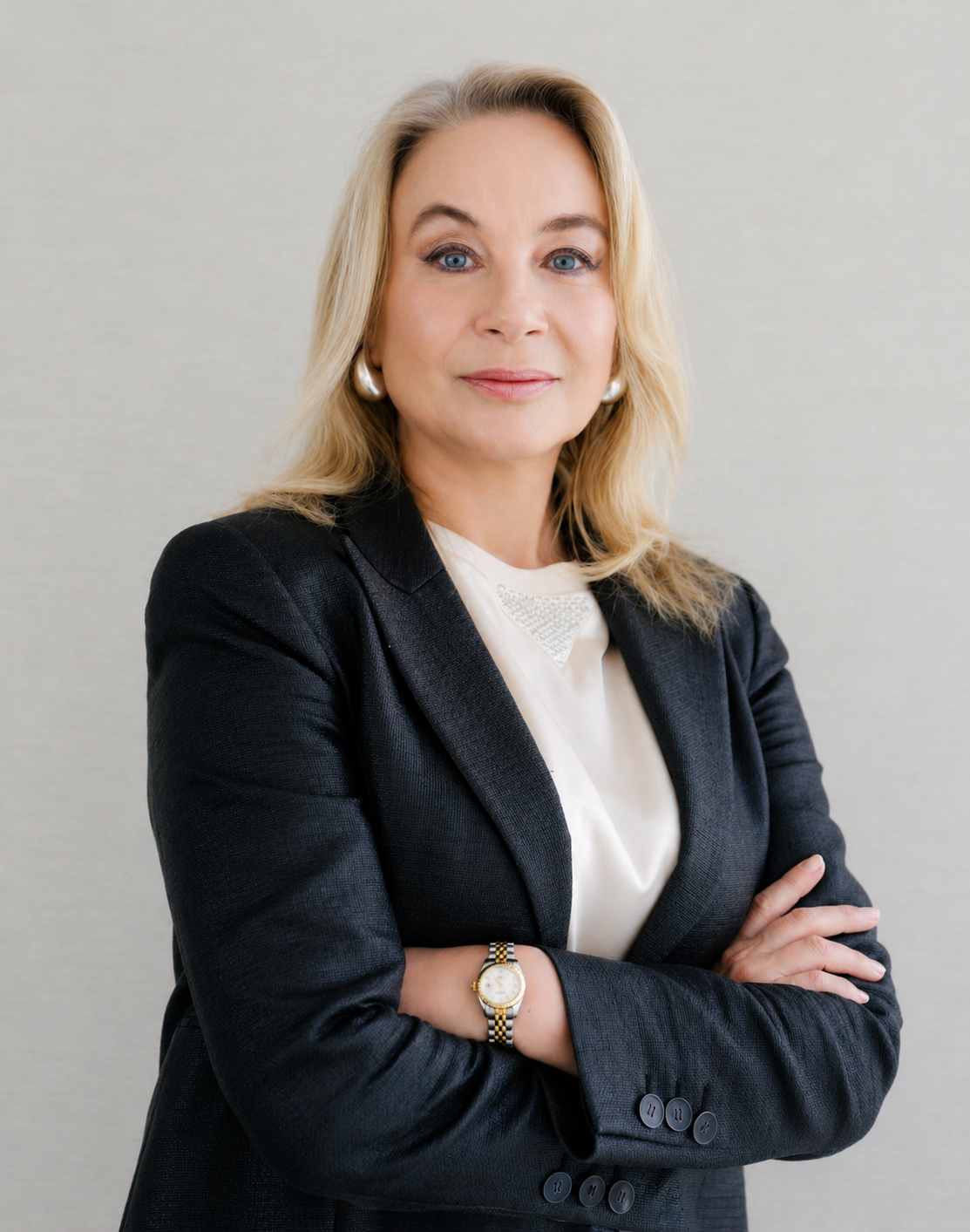
Marsha Lipton
Marsha Lipton is the Co-Founder and CEO of Numeraire Future Trends, a company she co-founded with Dr. Thomas Hardjono to create verifiable connections between physical objects and their digital representations. Her core insight is that greater access to information does not reliably bring us closer to the truth, and that preserving independent judgment, outside whatever system is generating the answers, matters more as AI and digital tools grow more powerful.
From the trading floors of JPMorgan to the philosophical edge of digital verification, Marsha Lipton's career has moved between worlds that most people never connect: quantitative finance, scientific skepticism, and the question of what it actually means to know something. In this interview with Powerful Blueprints, Marsha talks candidly about the lessons resilience taught her long before entrepreneurship, the three truths she is still learning to live by, and why the abundance of information may be making independent thought harder, not easier. Some conversations are worth publishing in full. This one with Marsha is one of them.
What does Marsha Lipton's morning routine look like?
We had to ask about this one.
I usually wake up around 6:00 and stay in bed for a few minutes saying goodbye to my night dreams, and to the people I have seen and talked to there. Some are no longer with me, others simply live far away. It is a strange little world that disappears very quickly once the day begins.
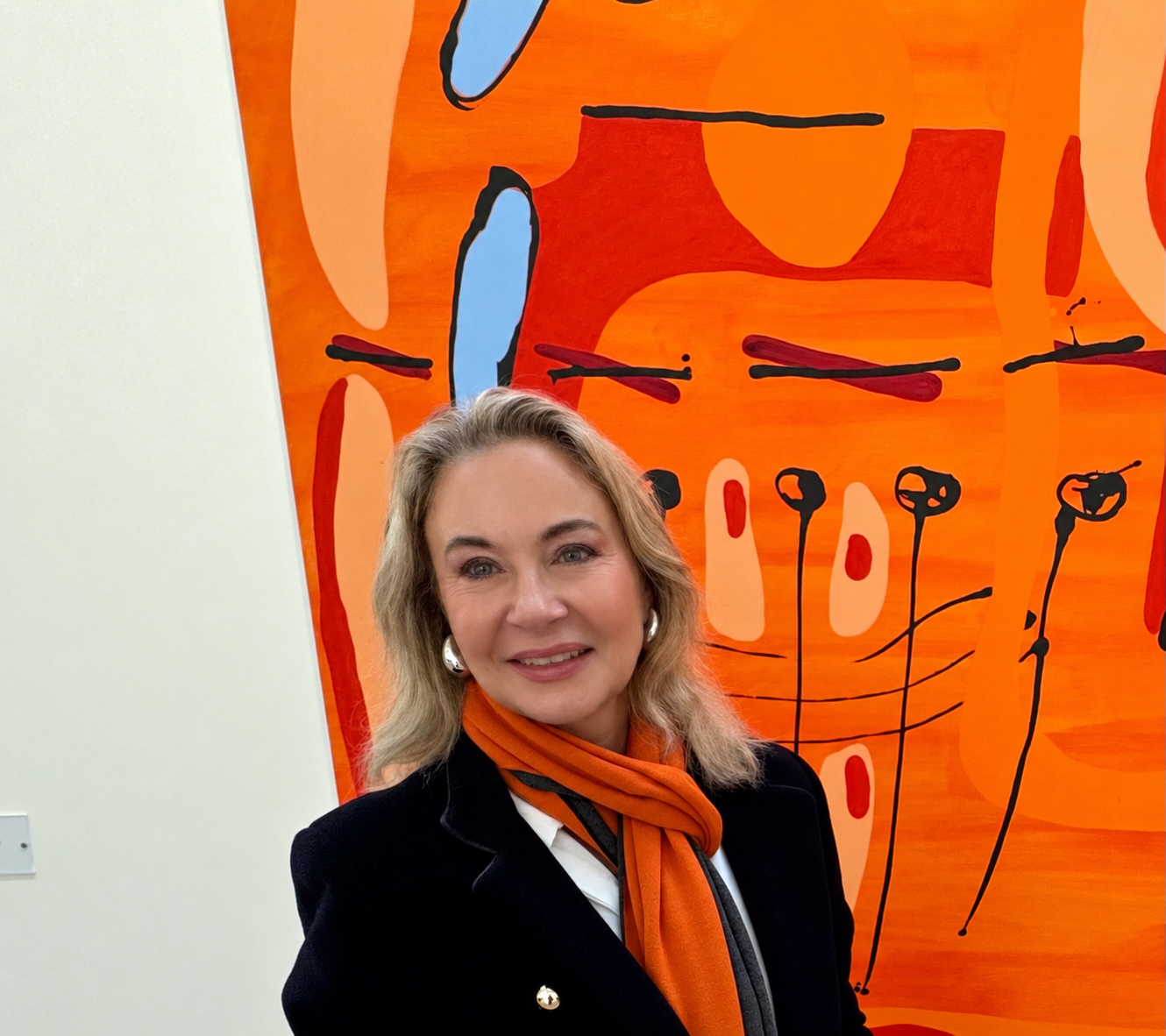
Then comes half a bottle of Evian and a lot of stretching. After that, I read the news, check what has happened overnight and see what the day has in store for me. By the time the world gets in, I've usually been living with the day for a while. But those first few minutes still belong to the night.
What is the first thing you would tell a young person who wants to build something real?
Here is something you do not hear often.
Don't listen to anybody's advice. Including mine.
Learn from everyone, but borrow their knowledge, not their directions. Take your own road and make your own mistakes. What worked brilliantly for me may be completely wrong for you, and what I would never do may turn out to be exactly right.
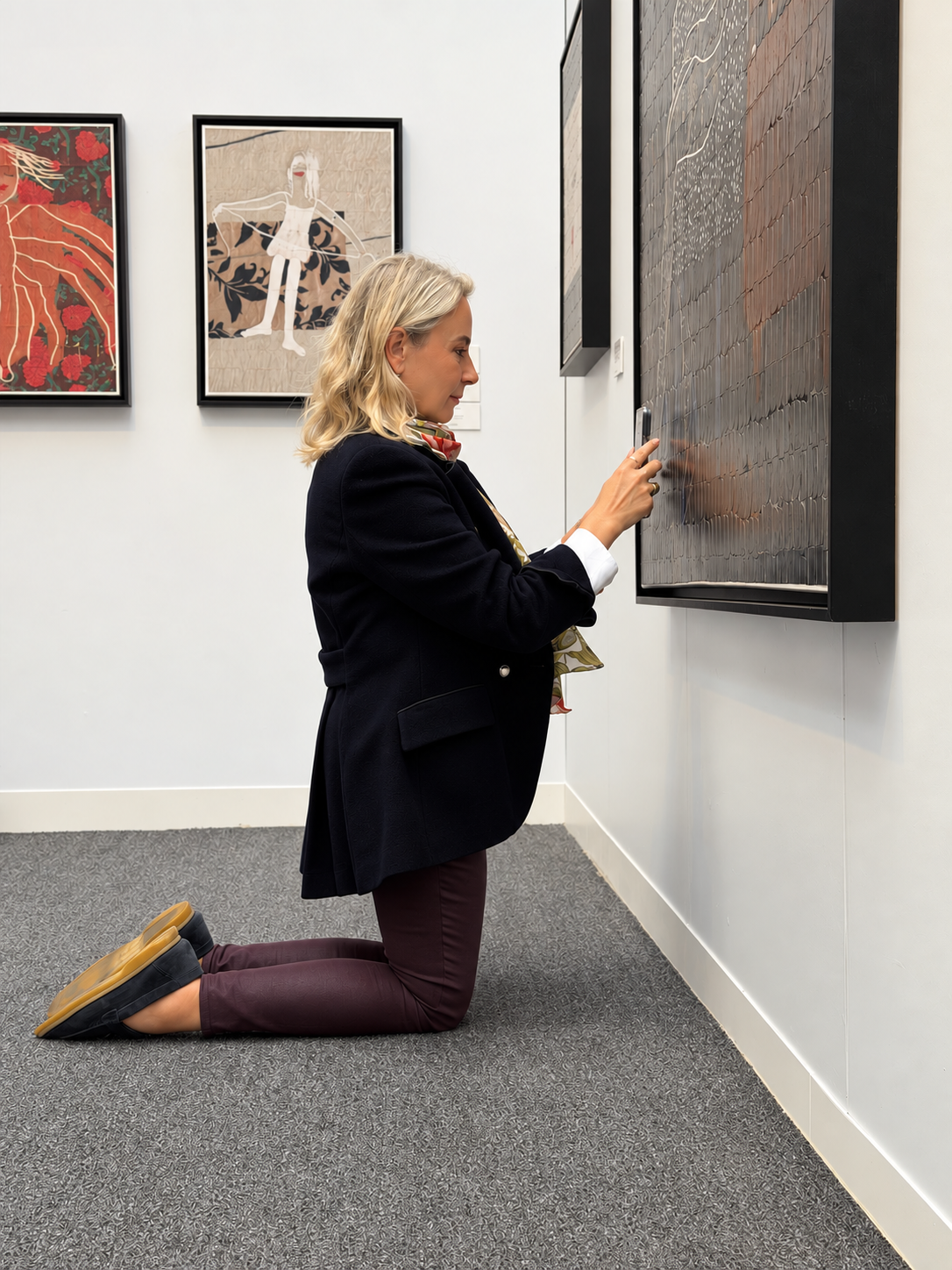
When I was just starting in investment banking as a front-office trader, a very experienced and prudent trader told me something I never forgot: trading can be a humiliating job on a daily basis. You will make money, hopefully, but you will also lose it. What matters is your profit and loss over time. Your feelings have to step aside, because if you take every loss personally, you simply won't make it.
It took quite a few bruises before I truly understood what he meant. But I did, and years later I finished my Wall Street career on a high note as a Managing Director at JPMorgan.
Entrepreneurship requires much of the same resilience. If you are afraid of getting it wrong, don't even start. There will be days when rejection, mistakes and setbacks can feel deeply personal, even humiliating. You have to see the light at the end of the tunnel when nobody else does. Your vision and mission have to pull you forward strongly enough that the inevitable pitfalls along the way become almost incidental.
Everyone has to find their own way. If you want to build something real, eventually you have to stop following maps drawn by other people.
What is Marsha Lipton's one-year goal?
This one took a moment.
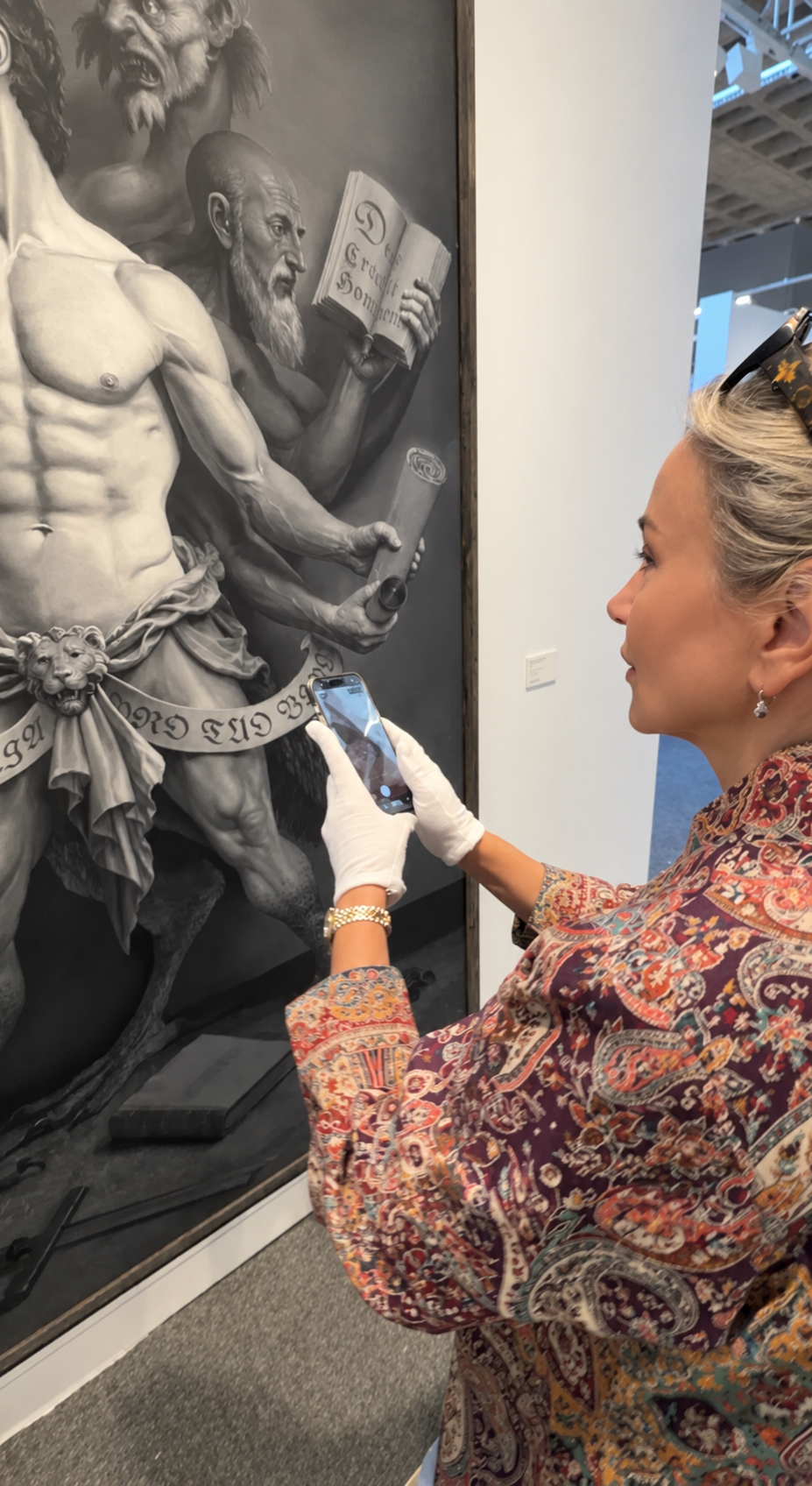
I'll give you two, both very personal: a full split and proper push-ups from the floor. I'm working on both, with varying degrees of success. I'm closer to the goal on the former, but still not quite there yet. So please do check back with me in exactly one year. Now that I've said it publicly, I suppose I have no way out.
What lessons took Marsha the longest to learn?
This is where the real thinking showed up.
There are probably three, and I'm not sure I've completely learned any of them yet.
The first is accepting people for who they are, rather than for who I think they could become. I tend to see potential in people, and sometimes I keep believing in that potential long after I should have accepted that they may not want the same things for themselves. You can help, encourage, open doors, give another chance, but at some point you have to let people be who they are.
The second is learning to let people go. Not every relationship, friendship or partnership is meant to stay with you forever. I have been incredibly fortunate to have a few partnerships in my life that have lasted, grown and become stronger with time. Perhaps that is precisely why it took me so long to understand that you cannot project the same expectations onto every relationship. Some people are important to you for a certain part of your life, and then your roads simply go in different directions. I used to fight that. I'm getting better at being grateful that our roads crossed at all.
And the third is accepting that hard work doesn't guarantee the outcome. This was particularly difficult for me. Trading taught me a lot about it. You can do everything right, make a thoughtful decision based on everything you know, and still lose money. The same is true in life. You do everything you can, and then there is still luck, timing, other people and circumstances you cannot control.
I've learned all three lessons the hard way, more than once. And perhaps the real lesson is knowing that understanding something and actually living by it are two very different things.
What does Marsha Lipton believe that most people are not saying out loud?
We wanted the honest version, not the tidy one.
We have more information at our fingertips than humanity has ever had, but I'm not convinced that we are getting any closer to the truth.
I remember a line Professor Eugene Fama, who later won the Nobel Memorial Prize in Economics, used to repeat in his course: "Just imagine, the sky opens, and all information becomes available." Well, here we are. I'm not sure about the sky, but information, and misinformation, are certainly abundant.
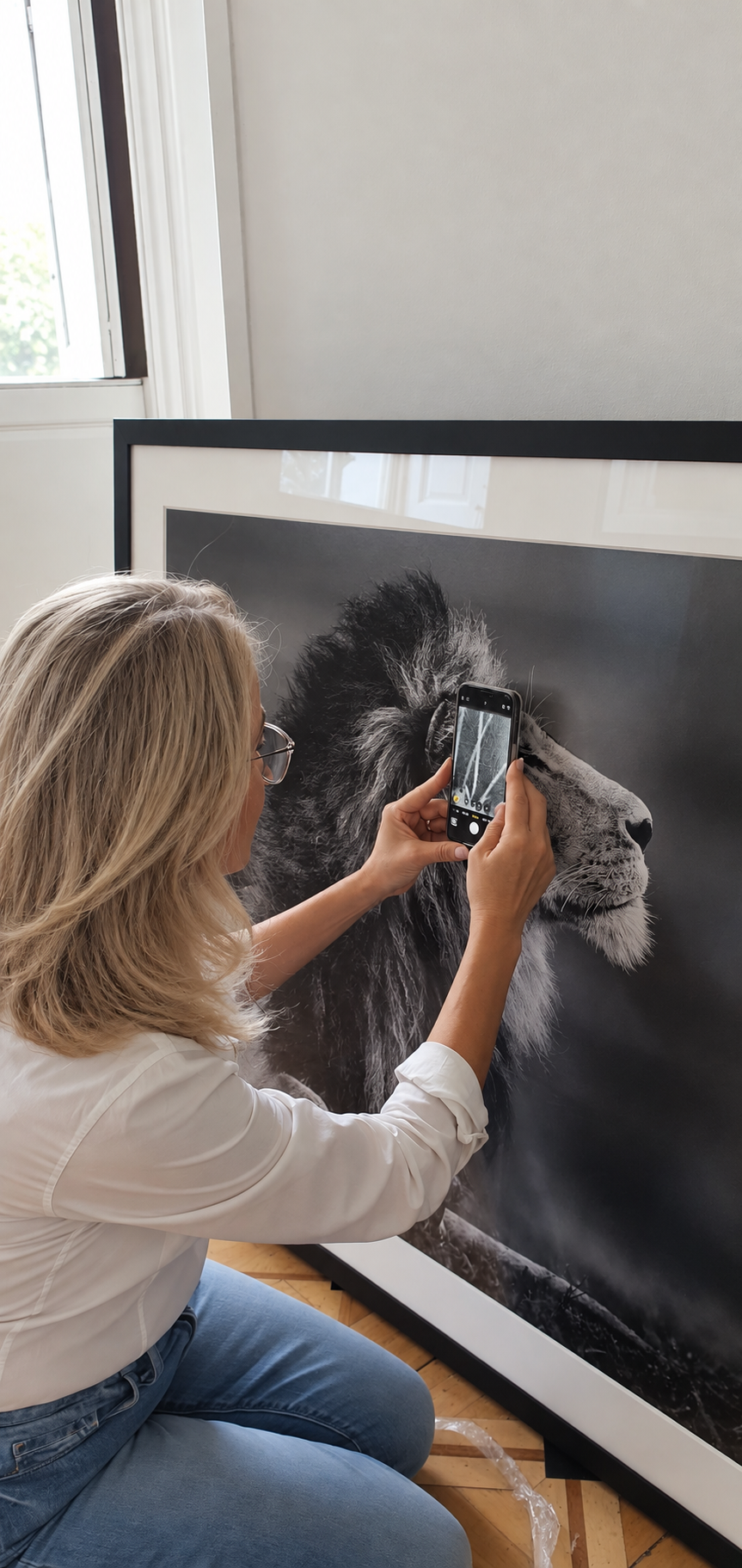
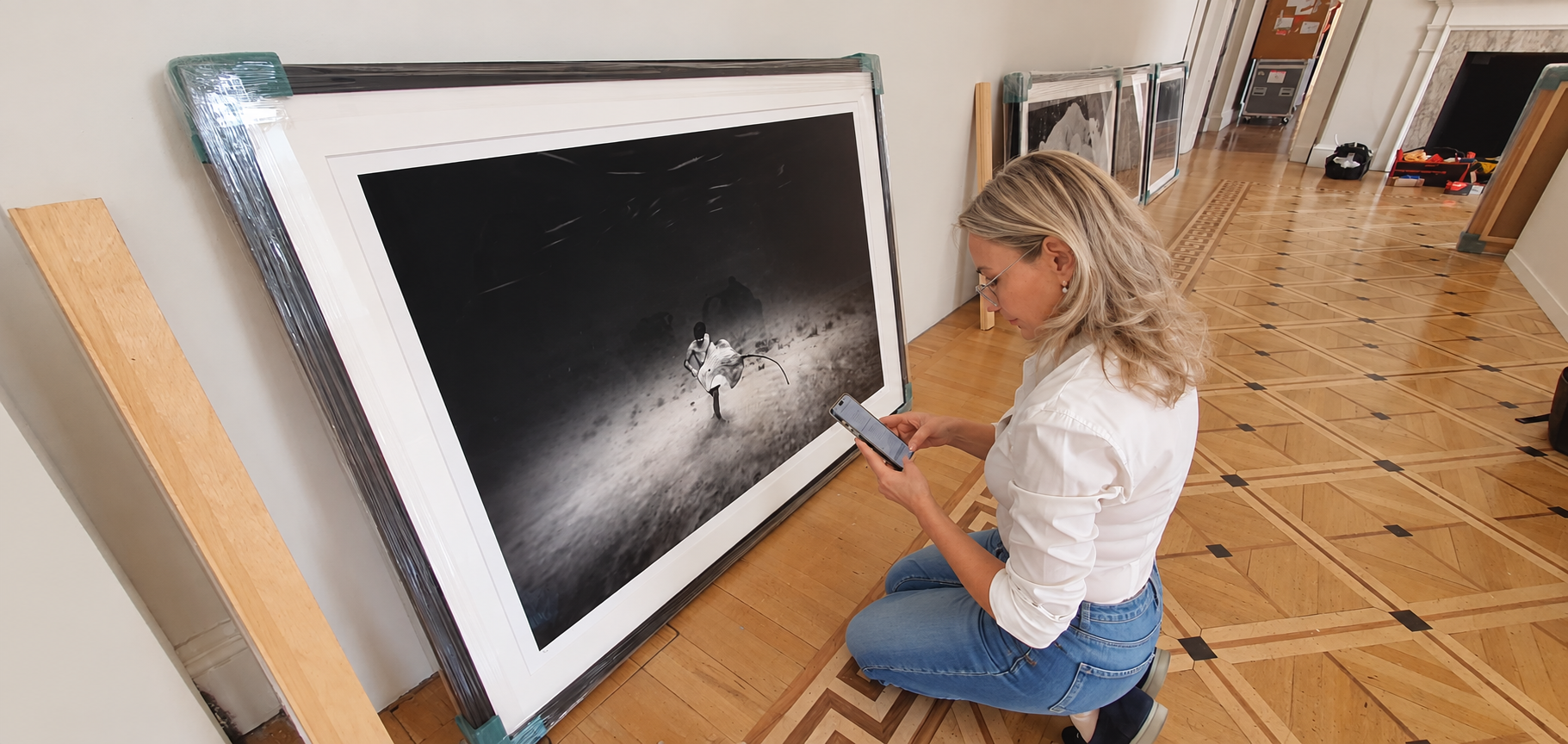
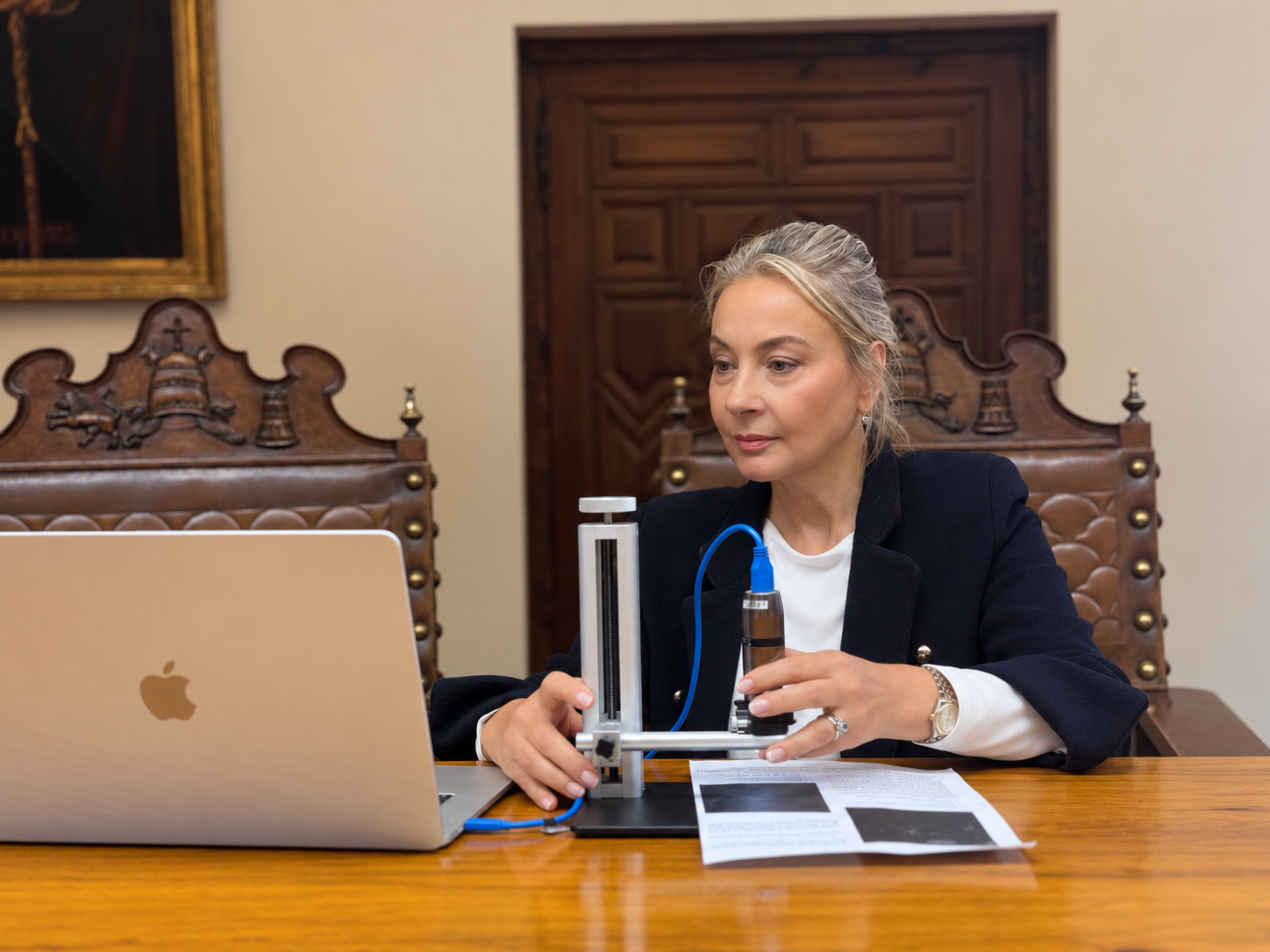
We increasingly confuse access to information with knowledge, and knowledge with an understanding of what is actually true. You can know everything recorded about an artwork: its provenance, exhibition history, certificates, photographs and catalogue entries, and still face a very basic question when the physical object is standing in front of you: is this actually the same object all that information describes? A perfectly coherent body of knowledge can still be disconnected from physical reality.
AI blurs these boundaries even further. It can produce an extraordinarily convincing answer, image, document or narrative in no time, often without giving us an obvious way to distinguish what is true, what is inferred, and what is simply generated. And the more convincing something looks, the less inclined we may be to question it.
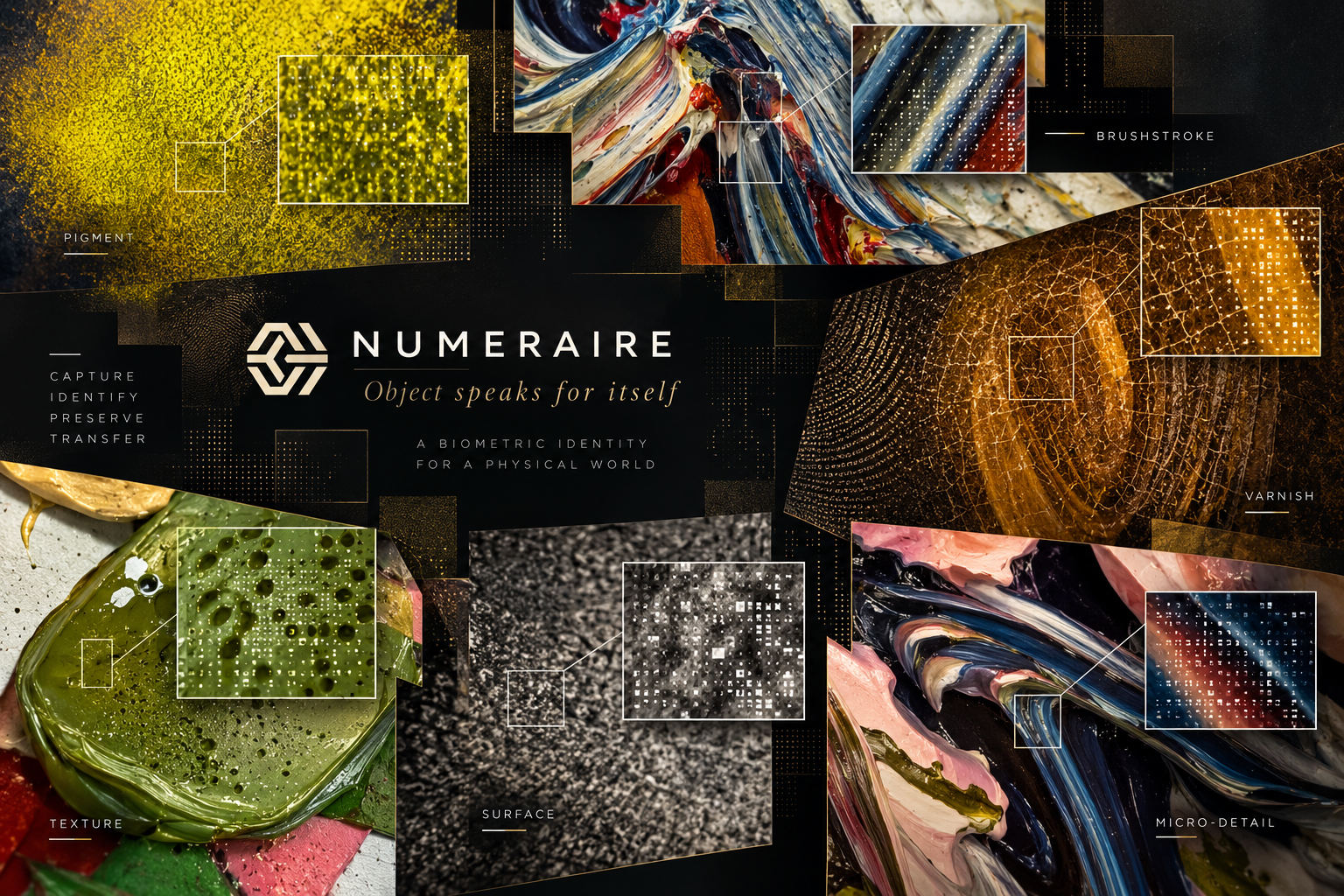
My scientific training taught me to question assumptions. Trading taught me to question consensus. And what I am doing now has taught me how fragile the connection between the physical world and everything we say about it can be. Paradoxically, the more powerful our digital world becomes, the more important it becomes to bring it back to physical reality, to establish a reliable connection between what exists in the digital realm and what actually exists in the real world. This is also the philosophical underpinning of Numeraire Future Trends, the company I co-founded with Dr. Thomas Hardjono: creating a verifiable connection between the physical object and everything the digital world says about it.
So if I had one thing to say, it would be this: preserve your ability to doubt, but also preserve your ability to know. You need some basic knowledge of your own to distinguish truth from generated reality. If the same algorithmic source gives you the information, explains it to you, and then verifies it for you, you can easily become a prisoner of an enchanted circle.
There is an interesting parallel with blockchain. A blockchain can be internally consistent and extraordinarily good at verifying what happened within its own system, but it cannot, by itself, know whether something in the outside world is true. To connect an on-chain system to external reality, you need an outside source of information, an "oracle." We increasingly need our own oracles as well: independent knowledge, evidence and sources that exist outside the system generating the answer.
Ask where something came from. Look for evidence. Go outside the circle. And above all, don't outsource your judgment, whether to another person, an institution, or an algorithm. The closer we get to having all the world's information instantly available, the more important it becomes to actually know something ourselves.
What does Marsha most often feel is misunderstood about her?
We pushed a little on this.
If there is something people almost never get right about me, I'm not arrogant enough to assume that my own version is necessarily correct. Perhaps they are seeing something I don't see, or refuse to see. So I don't spend much time correcting people's impressions. Let them have their version. I have mine. Reality can sort out the difference, while I remain slightly amused by the whole thing.
Thank you so much for sharing your story with us, Marsha.
Frequently Asked Questions about Marsha Lipton
What is Marsha Lipton's morning routine?
As someone who values the early hours before the day takes over, my mornings begin with a few quiet minutes in bed, taking my time to say goodbye to the people and places from my dreams before the waking world arrives. After that comes half a bottle of Evian and a lot of stretching. I then read the news and check what has happened overnight, so that by the time the world gets in, I've usually been living with the day for a while. Those first few minutes, though, still belong to the night.
What is Marsha Lipton's philosophy on building a company and taking advice?
My honest position is to not listen to anybody's advice, including my own when I offer it to others. The idea is to learn from everyone, but to borrow their knowledge rather than their directions. What worked brilliantly for me may be completely wrong for someone else, and what I would never do may turn out to be exactly right for them. Entrepreneurship requires the same resilience that trading demanded of me: you have to see the light at the end of the tunnel when nobody else does, and your vision has to pull you forward strongly enough that the inevitable pitfalls along the way become almost incidental. Everyone has to find their own way.
What is Marsha Lipton's core belief about information, truth, and AI?
My view, though I hold it as a concern rather than a certainty, is that we have more information at our fingertips than humanity has ever had, and yet I'm not convinced we are getting any closer to the truth. We increasingly confuse access to information with knowledge, and knowledge with an understanding of what is actually true. AI blurs these boundaries further, producing extraordinarily convincing answers, images, and narratives without always giving us a way to distinguish what is true, what is inferred, and what is simply generated. The more convincing something looks, the less inclined we may be to question it, which is precisely why preserving independent judgment matters so much now. My advice is to ask where something came from, look for evidence, and not outsource your judgment to any single source, whether a person, an institution, or an algorithm.
What is the mission behind Marsha Lipton's company Numeraire Future Trends?
The philosophical underpinning of Numeraire Future Trends, the company I co-founded with Dr. Thomas Hardjono, is creating a verifiable connection between the physical object and everything the digital world says about it. The problem we address is real: a perfectly coherent body of digital knowledge can still be disconnected from physical reality. You can know everything recorded about an artwork, its provenance, exhibition history, certificates, and photographs, and still face the basic question of whether the physical object in front of you is actually the same object all that information describes. A blockchain can be internally consistent and extraordinarily good at verifying what happened within its own system, but it cannot, by itself, know whether something in the outside world is true. We work on closing that gap.
What are the hardest life lessons Marsha Lipton says she is still learning?
There are probably three, and I'm not sure I've completely learned any of them yet. The first is accepting people for who they are rather than for who I think they could become, because believing in someone's potential long past the point where they have signalled their own intentions is something I have had to learn the hard way. The second is letting people go, understanding that not every relationship, friendship, or partnership is meant to stay with you forever, and being grateful that roads crossed at all rather than fighting the parting. The third is accepting that hard work doesn't guarantee the outcome, a lesson trading drove home repeatedly, because you can do everything right and still lose. Understanding something and actually living by it, as I've found, are two very different things.
How does Marsha Lipton handle how other people perceive her?
My honest approach is to not spend much time correcting people's impressions of me, partly because I'm not arrogant enough to assume that my own version of myself is necessarily the correct one. Perhaps other people are seeing something I don't see, or refuse to see, and that is worth sitting with rather than dismissing. I let people have their version, and I have mine. Reality, I find, tends to sort out the difference over time. In the meantime, I remain slightly amused by the whole thing.