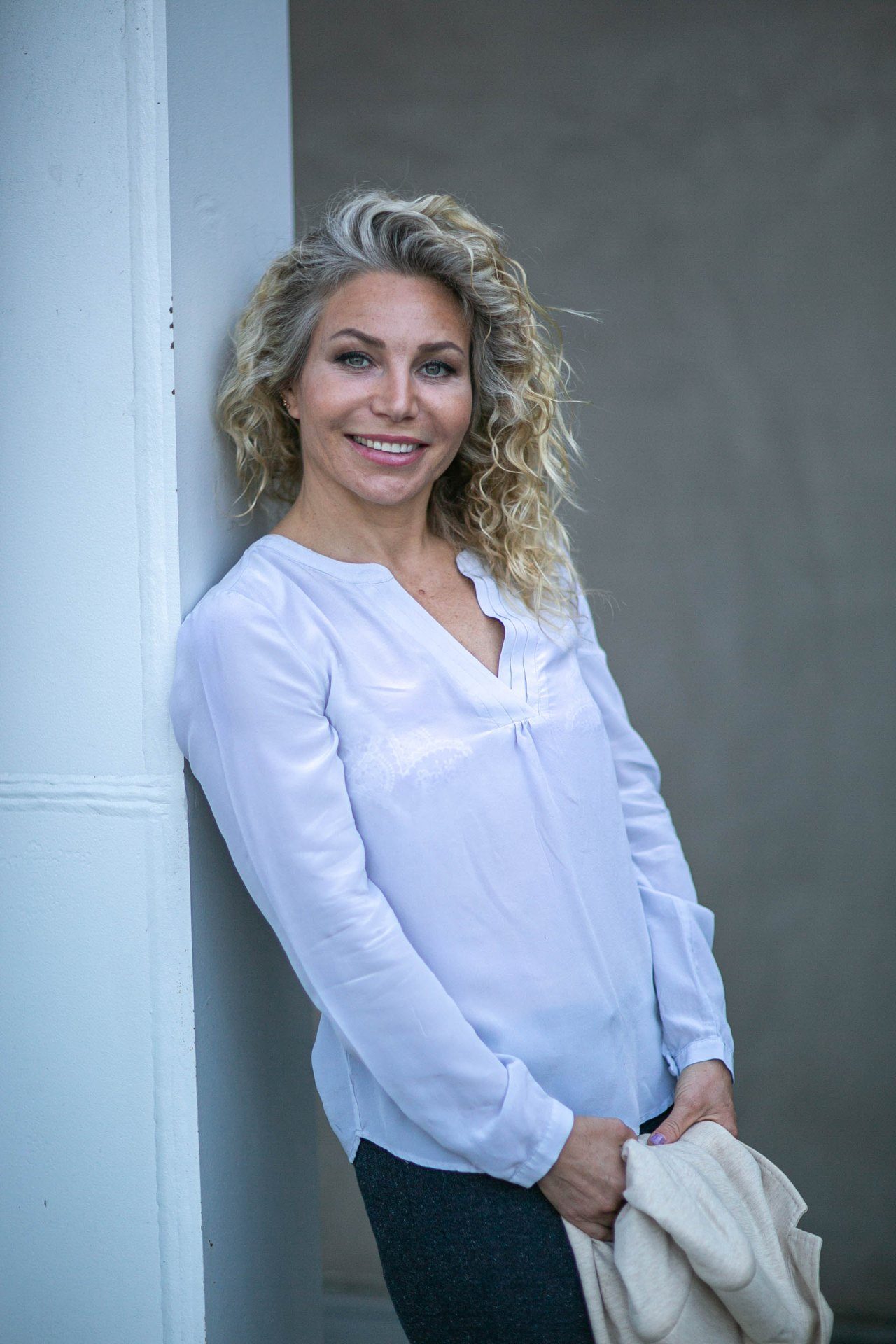
Marta Rudat DDS
Marta Rudat DDS is a dentist and owner of OC Dental Specialists, Office of Dr. Marta Rudat, originally from St. Petersburg. Her central conviction, though she applies it case by case, is that preserving what is naturally healthy nearly always produces a better result than replacing it, and that beauty should never require destroying what was already working.
From the Chapman University library, where she spent her days re-learning dentistry in a language that was not yet her own, to the operatory where she talks patients out of procedures they do not need, Marta Rudat DDS has built a practice shaped as much by what she refuses to do as by what she does. In this interview with Powerful Blueprints, Marta talks candidly about starting over in a new country, the years she deliberately held back on owning a practice while raising her children, and the quiet philosophy underneath every treatment decision she makes. Some conversations are worth publishing in full. This one with Marta is one of them.
When did you know dentistry was more than a career direction?
This is where the real thinking showed up.
I grew up in St. Petersburg in a family that was in healthcare, so I always knew I wanted to do something in healthcare. What attracted me to dentistry was that it combined so many things. There was the healthcare and diagnosis, but I also loved working with my hands. There was artistry and creativity involved. It felt like a combination of everything I enjoyed.
When I came to the United States, I couldn't just continue practicing dentistry. I had to go through the process again. I worked as a dental assistant and I also worked at a free clinic while I was preparing for my boards and applying to advanced dental programs so I could become licensed here.
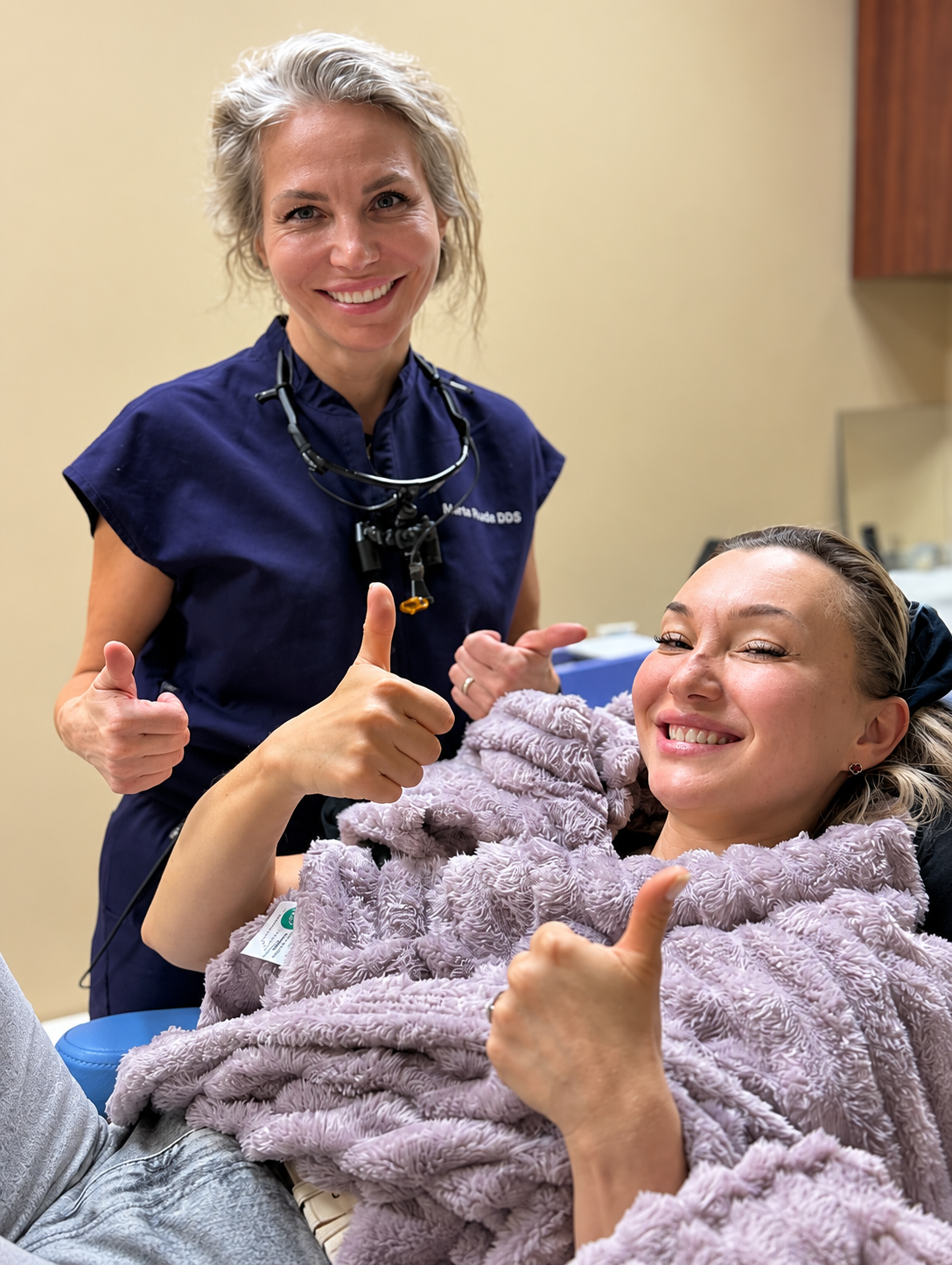
I remember studying at the Chapman University library. I would go there in the morning and study until the evening. I applied to schools in California and I knew that if I didn't get accepted here, I was going to apply to schools throughout the country. I was going to keep going.
After I graduated, I wanted to get as much experience as I could. I worked in different practices and with different kinds of patients. I worked with children, older patients, cosmetic dentistry, even mobile dentistry. I wanted to learn and experience all of it.
What would you honestly tell a young person who is drawn to this work but afraid of what that life looks like?
We wanted the honest version, not the tidy one.
I think you have to love what you do. For me, I was always drawn to working with my hands and to the artistry and creativity of dentistry. But you also have to keep learning. You have to keep educating yourself and getting better at what you do.
There are going to be times when it isn't easy. When I came to the United States, I had to basically start over. I worked, I studied, I spent my days at the library preparing for my boards and I knew that if I didn't get accepted to a program in California, I was going to keep going.
So I would say, if it's something you really love, do it with your whole heart. Keep learning. Keep working at it. Don't be afraid of how much work it may take to get there.
Tell us about a case that became something you didn't expect when it started.
We were curious how this actually happened.
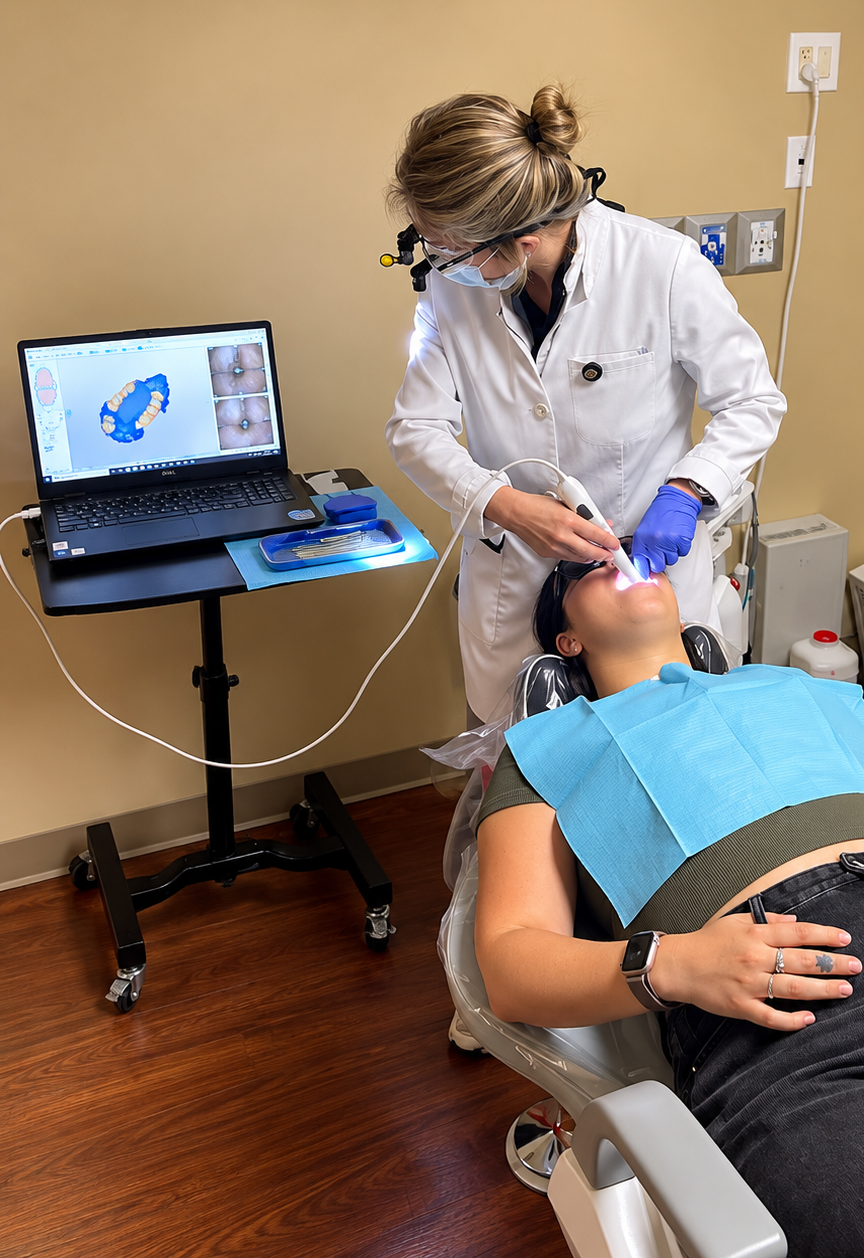
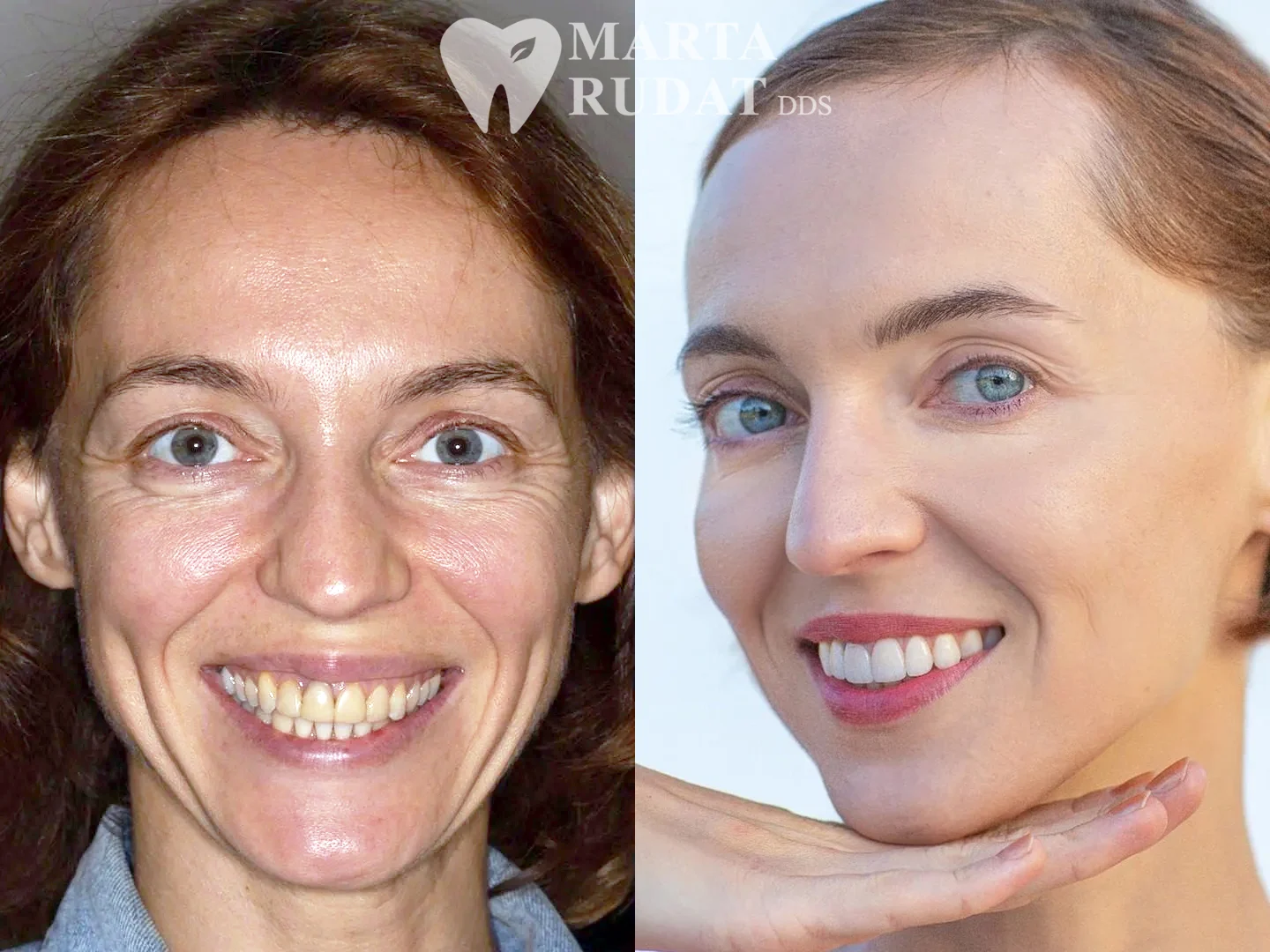
I had a patient who came to me and she was already scheduled somewhere else to have her lower teeth removed and have implants placed.
When I evaluated her, I took the old crowns off and looked at what was underneath. The teeth were healthy. The gums were healthy. And I thought, why would we take these teeth out?
So instead of extracting her teeth and replacing them with implants, we were able to restore her natural teeth with new crowns.
I think that surprised her, because she came in thinking she was going to lose her teeth. But whenever possible, I believe your natural teeth are better than anything human-made that I can give you. If I can preserve them and give you the result you're looking for, that's what I would rather do.
How has the meaning of this work changed inside you since you began?
This answer stayed with us.
I think it became more meaningful to me.
I went to dental school in Russia and practiced there for about three years. Then I moved to the United States and my degree didn't transfer. I had to start over. I worked as a dental assistant while I prepared for the board exams. I remember opening the book to study for the National Board exam and I couldn't understand the words. Everything was in a new language.
When I finally got into Loma Linda, it was way more meaningful to me than dental school had been in Russia. I had paid the money. I had made so much effort to be there. I literally absorbed every little word from my teachers. I wanted to do my very best.
And I think that changed me. When I graduated, I didn't feel like the learning was finished. I felt like it was just starting. I worked in many different practices because I wanted as much experience as possible. I worked in pediatric dentistry, geriatric dentistry, cosmetic dentistry and a mobile unit for people who couldn't come to the dentist.
I think going through all of that made me appreciate dentistry differently. I had already been a dentist once. Having to become one all over again made it much more meaningful to me.
How much of your personal life is visible in the way you practice?
Here is where Marta slowed down.
A lot of my personal life is in my work. Family is very important to me. It's the most important thing to me.
When I graduated from dental school, I was pregnant with my first baby. For probably the first five or six years, I worked part time because I was taking care of my children. Then I had my second baby. I knew in my heart that I wanted to own my own practice, but at that time I was concentrating on my family. As my kids were growing up and I started getting some of that time back, I started looking for my own practice.
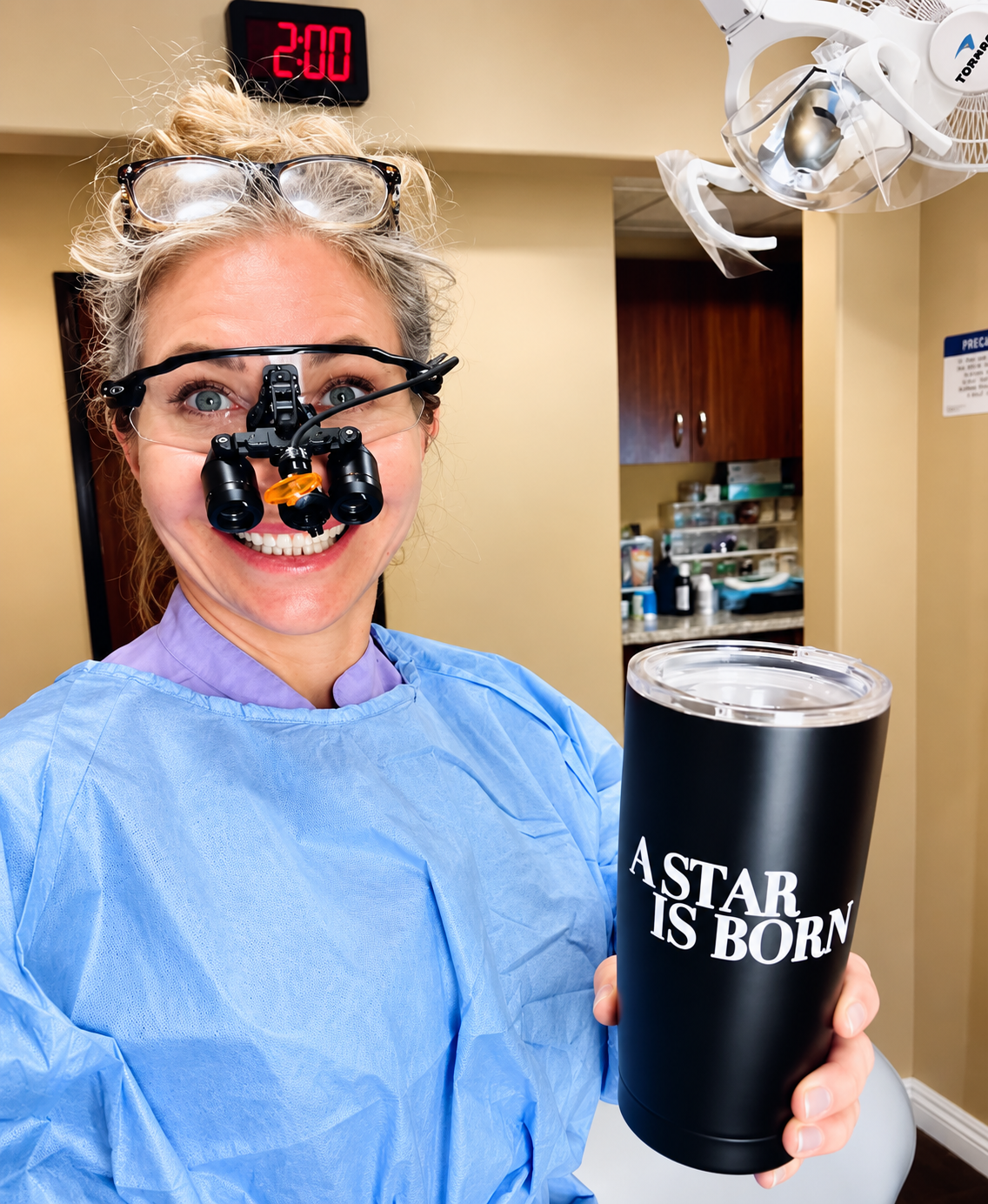
I think that part of me comes into the way I take care of people. For me, being a good dentist means truly caring about the patient, giving them time, listening to their concerns, answering their questions and making them comfortable. A lot of people come to the dentist anxious and I want them to feel that they're being taken care of.
So maybe people don't know my personal story when they look at my work. They don't see the years when I was raising my children, working part time and waiting until it was the right time to have my own practice. But I think they can see what came out of it in the way I practice. I want people to feel cared for.
If your work could say something out loud that it only ever approaches quietly, what would it be?
This is the part most people skip.
I think it would be that beautiful doesn't have to mean perfect, and it doesn't have to mean taking away everything that was there before.
Whenever possible, I believe your natural teeth are better than anything human-made that I can give you. So much of what I do is actually trying to preserve what is healthy. Sometimes that means doing less. Sometimes it means moving the teeth first so I don't have to remove as much tooth structure. Sometimes it means telling somebody that I don't think the treatment they're asking for is the right treatment for them.
I also believe you have to understand why something happened. If teeth are breaking or wearing down, I don't want to just make them beautiful again. I want to understand what caused it, eliminate the disease, restore the function and the bite and then make it beautiful.
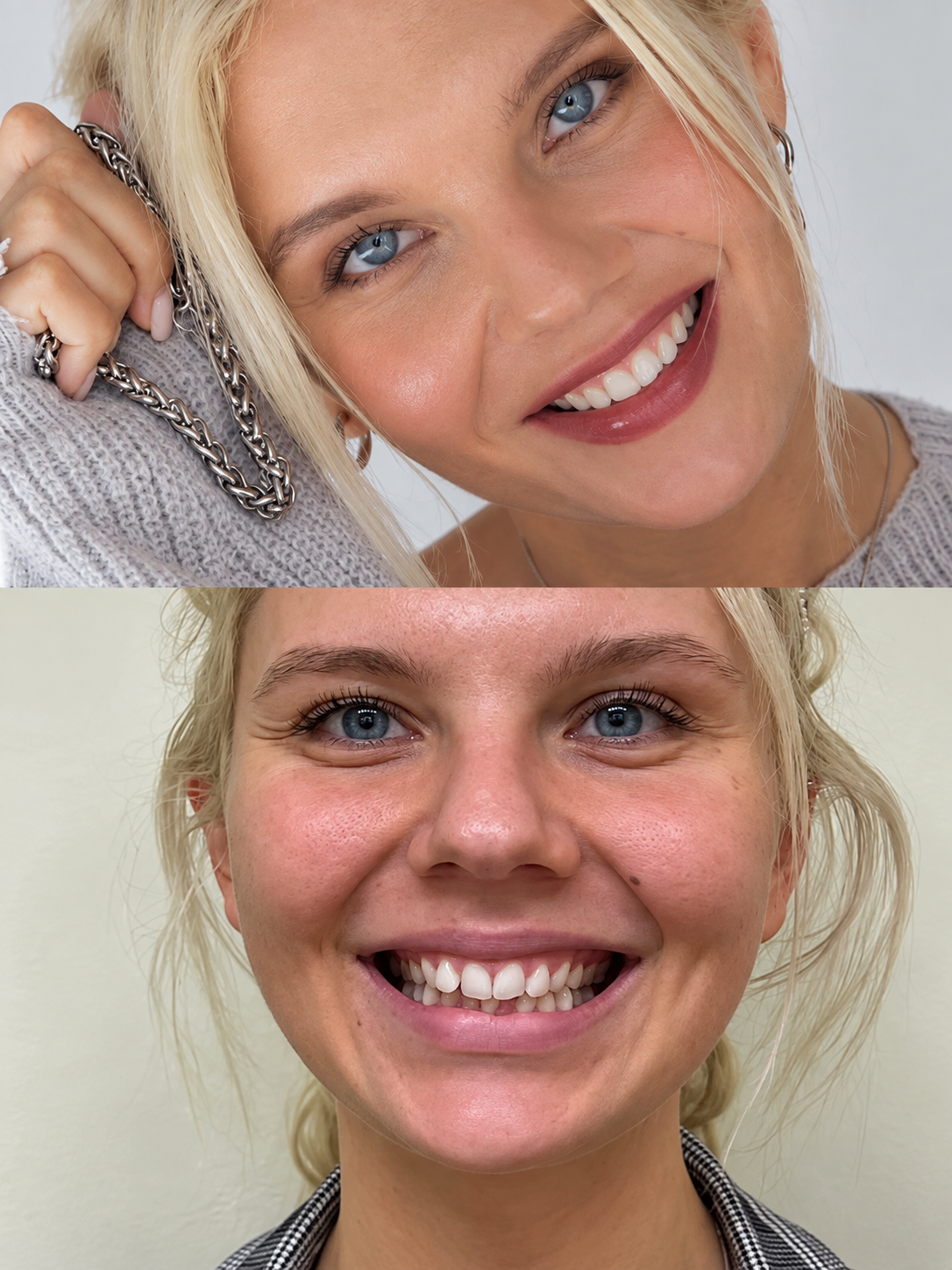
I've had patients come to me thinking they needed to have healthy teeth removed and replaced with implants. If I can save those teeth, I would rather save them. I've had patients who wanted veneers where I felt we would have to remove too much healthy tooth structure. I would rather find a more conservative way.
So maybe what I'm trying to say is: don't destroy something healthy just to make something beautiful. I think the most beautiful result is the one that respects what was already there.
Thank you so much for sharing your story with us, Marta Rudat DDS.
Frequently Asked Questions about Marta Rudat DDS
What is Marta Rudat DDS's philosophy on preserving natural teeth over implants?
As a dentist who has worked across pediatric, geriatric, cosmetic, and mobile dentistry, my conviction is that natural teeth are almost always preferable to anything human-made. When a patient comes to me already scheduled for extractions and implants, I evaluate what is actually underneath first. If the teeth and gums are healthy, my question is: why would we take those out? I would rather restore a natural tooth with a new crown than replace it with an implant. That principle shapes nearly every significant treatment decision I make.
What did Marta Rudat DDS have to do to become licensed to practice dentistry in the United States?
After practicing dentistry in Russia for about three years, I moved to the United States and found that my degree did not transfer. I had to go through the entire process again from the beginning. I worked as a dental assistant and at a free clinic while I studied for the board exams. I remember opening the National Board study materials and not being able to understand the words because everything was in a new language. I applied to dental programs in California and was prepared to apply across the entire country if I needed to. I was eventually accepted to Loma Linda University, and that experience made dentistry far more meaningful to me than it had been the first time around.
How did Marta Rudat DDS balance raising a family with building her dental career?
Family has always been the most important thing in my life, and that priority shaped the timeline of my career directly. When I graduated from dental school, I was already pregnant with my first child, and for roughly the first five or six years I worked part time so I could be present for my children. I had a second baby during that period as well. I knew I wanted to own my own practice, but I waited until my children were older and I had more time to pursue it. That decision was not a detour; I think it deepened the patience and care I bring to every patient relationship.
What is Marta Rudat DDS's approach when a patient asks for a treatment she does not believe is right for them?
Being a good dentist, in my view, means sometimes telling a patient that the treatment they are asking for is not the right one for them. If a patient wants veneers but getting them would require removing too much healthy tooth structure, I would rather find a more conservative path. If teeth are breaking or wearing down, I want to understand the cause, address the disease, and restore function before focusing on aesthetics. My goal is never just to make something look beautiful. It is to respect what is already there and produce a result that is both healthy and beautiful.
What drew Marta Rudat DDS to dentistry originally, and how has that motivation evolved?
Growing up in St. Petersburg in a healthcare family, I always knew I wanted to work in healthcare. What drew me specifically to dentistry was the combination of diagnosis, hands-on craft, and genuine artistry and creativity. That combination felt like everything I enjoyed in one field. Over time, especially after having to rebuild my career in a new country and a new language, the work became something deeper than attraction. Having already been a dentist once and then becoming one all over again made me appreciate it in a way I simply could not have the first time. When I finally graduated from Loma Linda, I felt like the learning was just beginning, not ending.
How does Marta Rudat DDS think about the relationship between aesthetics and health in dentistry?
My core belief is that beautiful does not have to mean perfect, and it does not have to mean removing everything that was there before. So much of what I do is about preserving what is already healthy. Sometimes the most honest and skilled thing I can offer a patient is doing less, not more. I want to understand why a problem developed, eliminate the underlying disease, restore the function and the bite, and then address appearance. The most beautiful result, in my experience, is the one that respects what was already there rather than replacing it entirely.