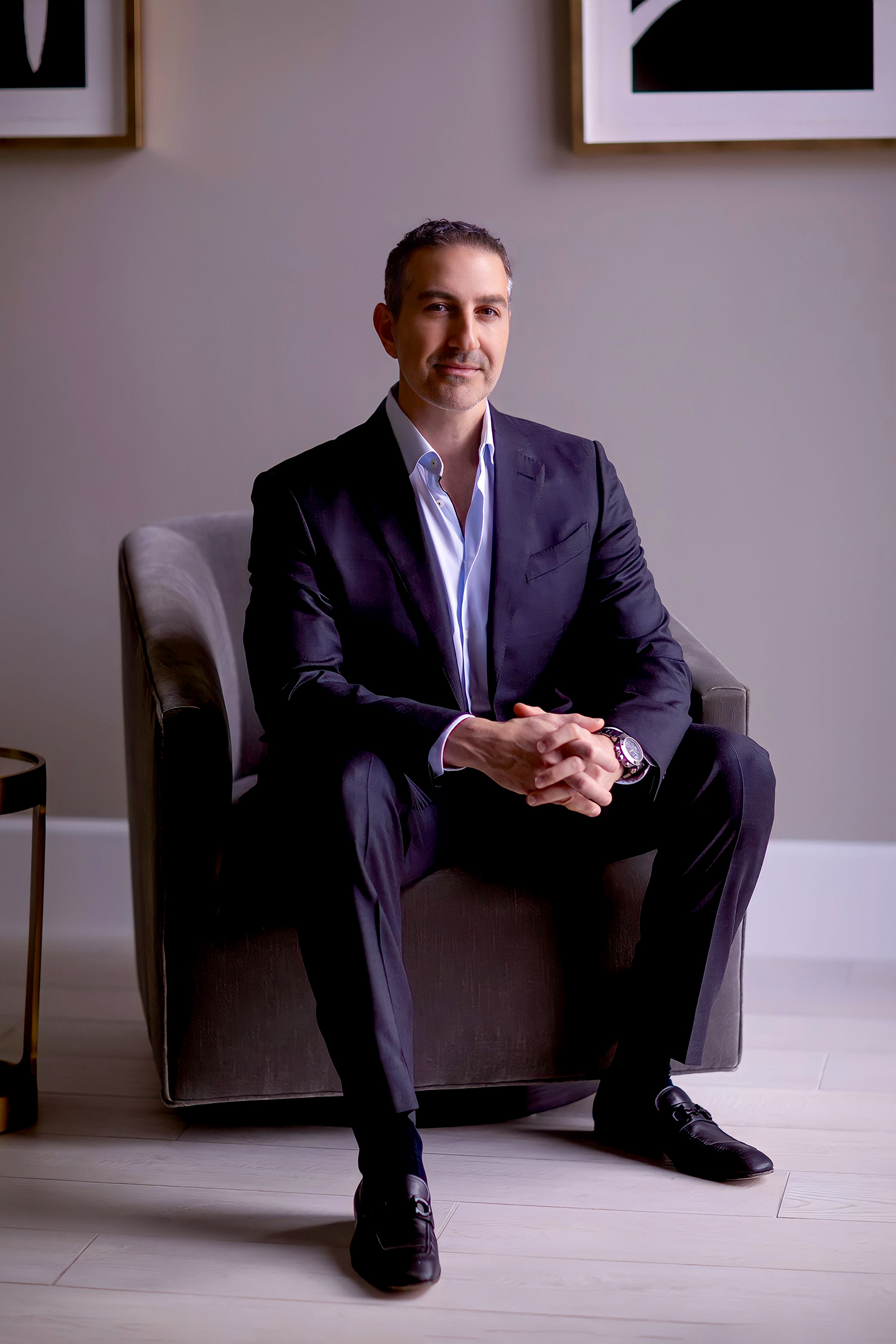
Richard V Balikian, MD FACS
Richard V Balikian, MD FACS is a double board-certified facial plastic surgeon whose belief in restraint and targeted placement shapes both his surgical work and how he sees the world beyond it. His hardest-won conviction: more isn't always better, and knowing when you've done enough is often the most difficult and most important skill a surgeon can develop.
From the precise economy of an artist using fewer brushstrokes to the cumulative discipline of a surgeon reviewing patient photos long after the clinic has closed, Richard V Balikian, MD FACS moves between two ideas that don't often appear in the same conversation: relentless professional growth and the wisdom to stop. In this interview with Powerful Blueprints, Richard talks candidly about the lecture that redirected his entire career, why presence is harder than performance, and what excellence looks like when you chase it every single day. Good morning, Richard!
What does Richard V Balikian, MD FACS's morning routine look like before surgery?
Richard starts each surgical morning with a workout, solo time in his office with water, and a final deep review of every patient's chart before entering the operating room.
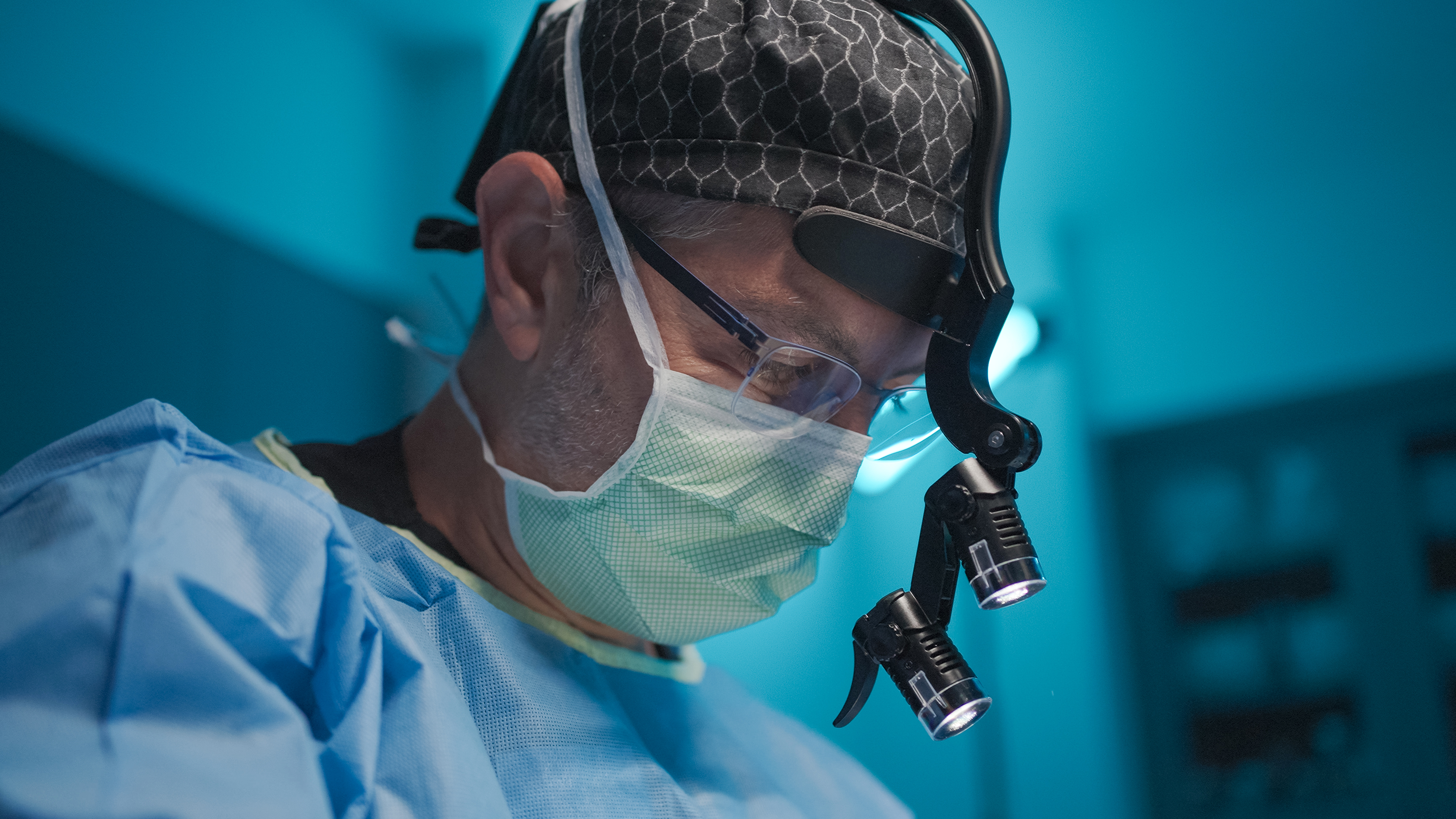
I think it's important for me to have a healthy start to the morning to be at my best. I like to practice what I preach. You know, I tell our patients if you want a good recovery, you have to be healthy. If I want to have a good, successful day of surgery, I need to be healthy and focused in the morning.
To me, that's working out in the morning, getting to work, having some solo time in my office with my water, making sure I'm hydrated and reviewing the patients I have for the day. For my surgery patient, I'll dive deep into their chart one last time, make sure I'm on the same page with the patient when I see them in pre-op and be set up for success when we're operating.
What daily habit of Richard V Balikian, MD FACS's would most surprise people?
Richard ends every clinic day by returning to his office to study the patient photos taken that day, using them as a private tool for self-evaluation and growth.
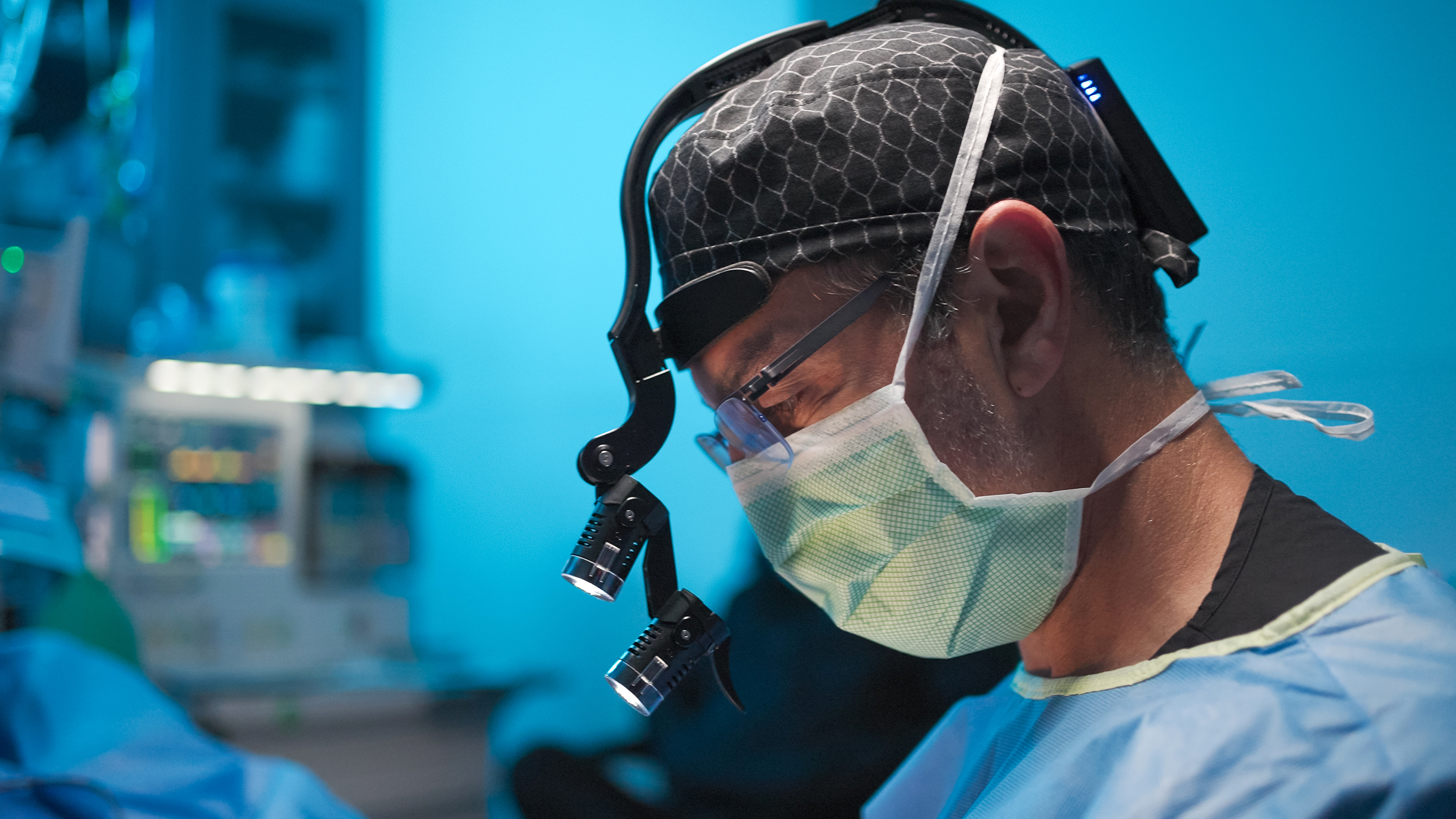
I look at my patients' photos. You know, at the end of clinic, we've seen all our post-operative patients, we've taken photos of the long-term follow-ups, and it gives me a chance to come back to my office and see the photos we've taken and evaluate how they've done.
It gives me a chance to really kind of look back as well and evaluate if there's anything else I wish I had done differently. I have a growth mindset. I really want to push myself. It's a constant journey to get better and better and better.
What is the most important advice for young people who want to build something real?
Richard's first piece of advice to aspiring builders is to ignore the people who say it can't be done, prove them wrong through sustained effort, and think in five-minute increments rather than distant outcomes.
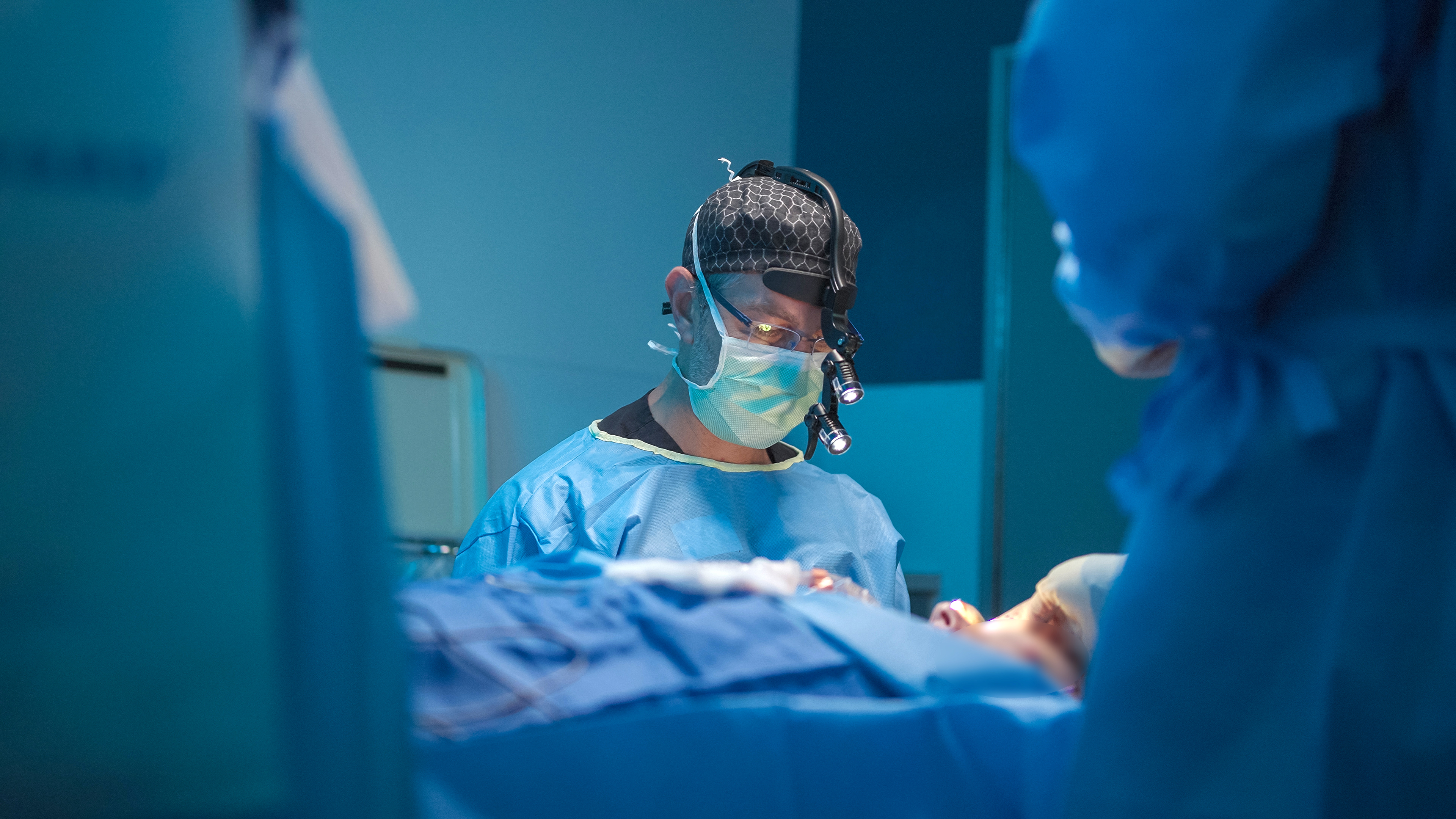
Don't let other people tell you that you can't or shouldn't do it. If you have the drive to do something, prove it. Put in the work. Prove everybody else wrong.
I have a growth mindset. I really want to push myself. You never get stagnant. You're always thinking, and it's a constant journey to get better and better and better.
And think small. Do the best you can for the next five minutes. As those minutes stack, you're going to be in a place that you want to be. You know, you're going to have bad days. You have to have a short-term memory, turn the page and wake up the next day with a new chance to keep working at it.
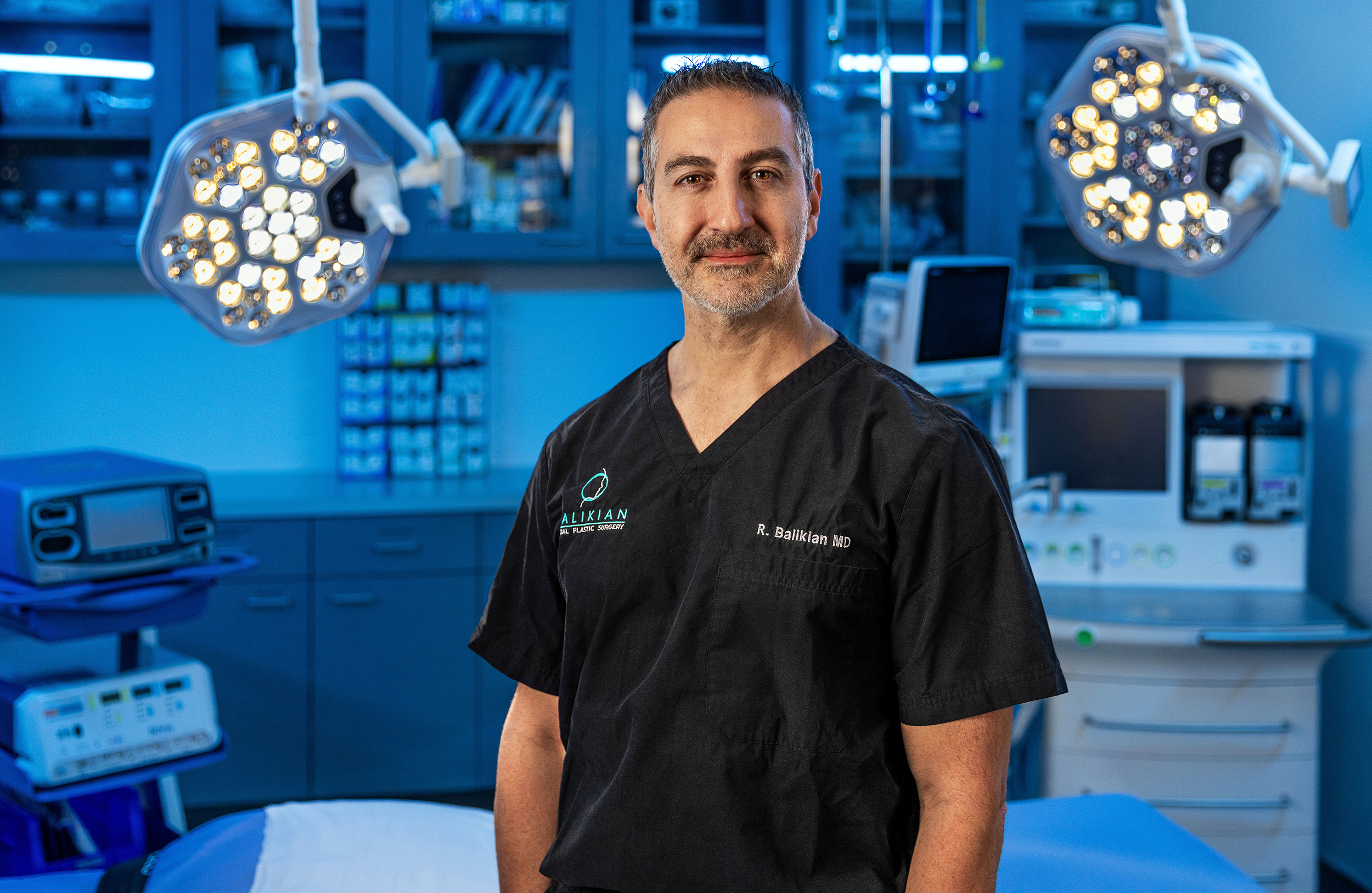
Who is the person who most changed how Richard V Balikian, MD FACS thinks?
Richard credits Dr. Andrew Jacono, whose conference lecture on deep-plane facelift results roughly fifteen years ago redirected the course of his career and reshaped his understanding of what surgical collaboration can achieve.
Dr. Andrew Jacono. About 15 years ago, I was at a conference where he gave a lecture. We had all seen before and after results from facelifts over and over again, but his results were different.
For me, that lecture marked a revitalization of the deep-plane facelift. It changed the trajectory of my career because I decided I didn't want to wait for that approach to slowly trickle down. I wanted to begin learning deep-plane facial surgery then.
It also changed the way I think about medicine. Surgeons are sharing what they learn, and that collaboration is accelerating the advancement of our field. Instead of each surgeon spending an entire career figuring out every detail independently, we can build on one another's experience. Advances that once might have taken decades can happen in years.
What does Richard V Balikian, MD FACS say people most often get wrong about him?
Richard says most people assume professional drive is his top priority, when in reality family life, being the best father he can be, is the foundation he considers his true legacy.
I think people probably see how driven I am professionally and think that work is the most important thing to me. It's not.
To me, the bedrock is family life. I want to be the best dad. That's what I want my legacy to be. I'm lucky I have an amazing wife who challenges me to attain that goal.
I love what I do, and I'm always pushing myself to get better, but it's really hard to be present. I'm still working on it to this day, and I probably will be to the end of my life.
What is the one thing Richard V Balikian, MD FACS believes that most people aren't saying out loud?
Richard's most deeply held conviction, shaped by his study of artists who use restraint rather than excess, is that more isn't always better, and that knowing when to stop is often the hardest and most important skill.
More isn't always better.
I became interested in artists who could do less and get more out of less. Fewer brushstrokes. More white space on the canvas. I think there's something really important about restraint, targeted placement and knowing when to say when.
That applies to what I do, but I think it applies beyond surgery too. Sometimes the hardest thing is knowing when you've done enough.
What is Richard's physical and fitness routine?
Richard runs every morning as his primary physical discipline and occasionally visits the driving range to decompress, treating both activities as extensions of the same commitment to showing up at his best.
I run in the morning. It's important for me to have a healthy start to the morning to be at my best. I like to practice what I preach. You know, I tell our patients if you want a good recovery, you have to be healthy. If I want to have a good, successful day of surgery, I need to be healthy and focused in the morning.
Sometimes I'll go to the driving range and hit some golf balls. It gives me a chance to decompress.
What is Richard's one-year goal?
Richard's stated goal for the next twelve months is to grow his practice to national and international recognition as the destination for patients seeking not just good surgical results, but excellent ones.
Our goal for our practice is to be nationally known, internationally known, to really grow to a point where people know this is the place to go for the best results possible.
There's a big difference between having surgery and having it look good and having surgery and it be excellent. That's our goal, continued excellence and advancement.
Thank you so much for sharing your story with us, Richard!
Frequently Asked Questions about Richard V Balikian, MD FACS
What is Richard V Balikian, MD FACS's philosophy on surgical restraint?
After years of studying both surgical outcomes and the work of visual artists, my core belief is that more isn't always better. I became drawn to artists who achieve more with less, fewer brushstrokes, more white space, and I carry that sensibility into every procedure I perform. Restraint, targeted placement, and knowing when to say when are not limitations, they are the highest expression of skill. Sometimes the hardest thing is knowing when you've done enough, and I think that truth applies well beyond the operating room.
Who is Richard V Balikian, MD FACS's greatest professional influence?
As a facial plastic surgeon who has spent years studying technique and outcomes, the single greatest influence on how I think is Dr. Andrew Jacono. About 15 years ago, I attended a conference where he presented facelift results unlike anything I had seen before, they marked a revitalization of the deep-plane approach. That lecture changed the trajectory of my career immediately. It also changed the way I think about medicine more broadly: when surgeons share what they learn, advances that might have taken decades can happen in years.
What is Richard V Balikian, MD FACS's approach to continuous improvement as a surgeon?
Having built a practice around the pursuit of excellence, my most consistent daily habit is returning to patient photos at the end of every clinic. I review how patients have done and honestly evaluate whether there's anything I wish I had done differently. I have a growth mindset, and this practice keeps me accountable to it. It's a constant journey to get better and better and better, and treating each day as a chance to learn is what drives that progress forward.
What does Richard V Balikian, MD FACS say is the hardest lesson he has had to learn in life?
Having spent years building a demanding surgical career, the hardest and longest lesson for me has been learning to be truly present, especially with my family. The bedrock of my life is family, and I want my legacy to be being the best dad, not the most accomplished surgeon. I'm lucky to have an amazing wife who challenges me to attain that goal. It takes a lot of work, and I'm still working on it to this day, and I probably will be to the end of my life.
What is Richard V Balikian, MD FACS's morning routine before performing surgery?
As a surgeon who believes that physical and mental readiness directly affects what happens in the operating room, my mornings are structured with intention. I start by running, then get to work and take solo time in my office with water to make sure I'm hydrated. Before any surgery, I dive deep into each patient's chart one last time so I'm fully aligned with the patient when I see them in pre-op. I practice what I preach, I tell patients that a healthy body supports a good recovery, and the same principle applies to showing up sharp for a full day of surgery.
What is Richard V Balikian, MD FACS's one-year goal for his practice?
Looking ahead over the next twelve months, my goal is for our practice to be nationally and internationally recognized as the destination for people who want the best results possible. There's a meaningful difference between surgery that looks good and surgery that is truly excellent, and that distinction is what we orient everything around. Our goal is continued excellence and advancement, not just growth in volume. I want people everywhere to know that this is the place to come when excellent is the only acceptable standard.