Sharon Sweeney
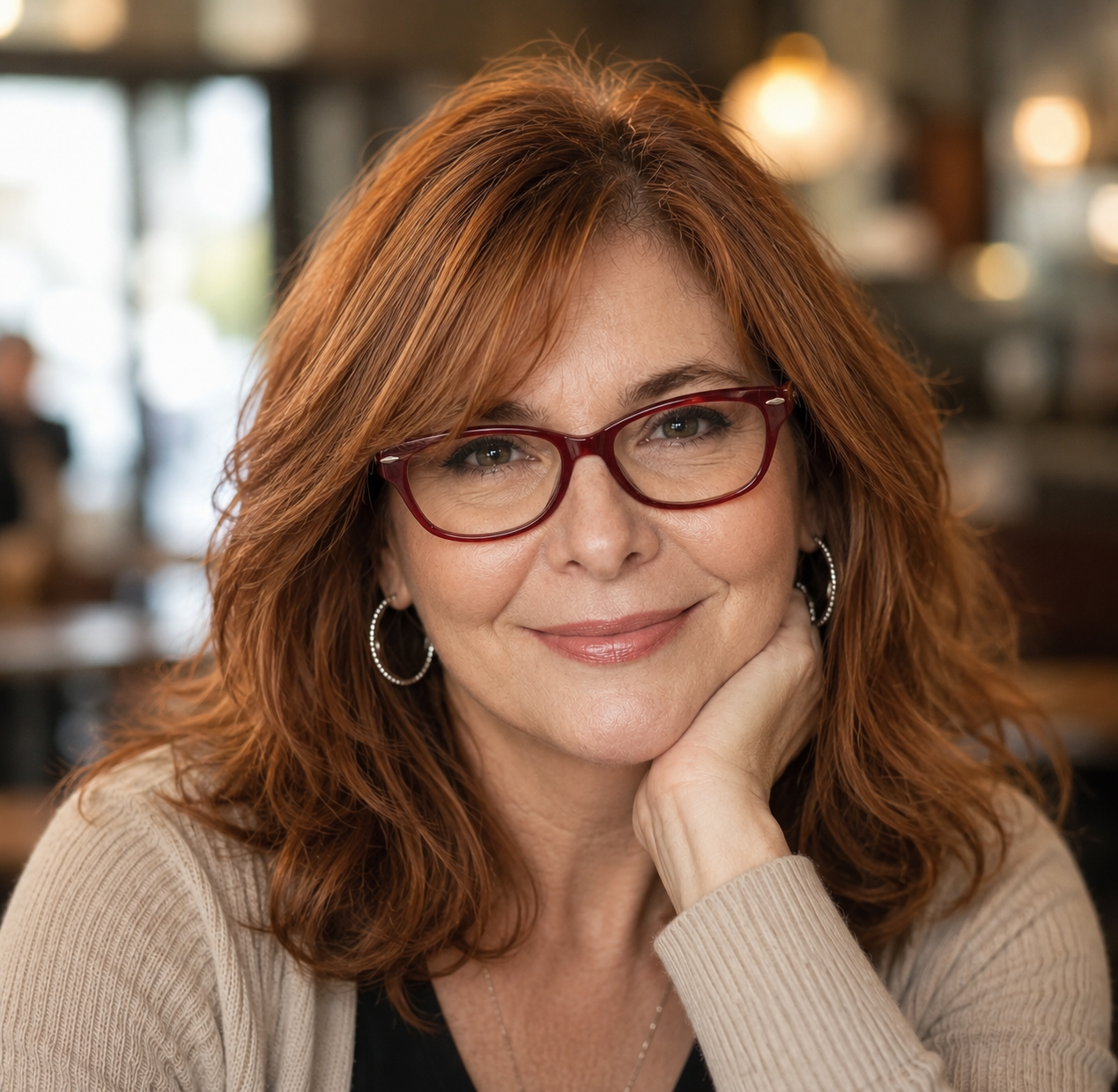
Sharon Sweeney is an author based in the Delaware Beach area, currently completing her debut novel Driftwood Diaries alongside a collection of poems. Her hardest-won creative insight: perfection is one of the greatest forms of procrastination, and a rough draft only has to exist — because you can shape a rough draft into something perfect, but you cannot shape a blank page into a novel.
From a shy girl coaxed into her literary voice by high school teachers to a retiring professional who finally returned to the outline she had carried for years, Sharon Sweeney's journey to the page is as layered as the themes she returns to — healing, hope, and the quiet moments that shape us. In this interview with Powerful Blueprints, Sharon talks candidly about the beach walks that became a novel, the influences who got inside her sentences and stayed, and the deeper story she hopes readers slow down enough to find. Good morning, Sharon!
What does Sharon Sweeney's writing environment look like before the first word appears?
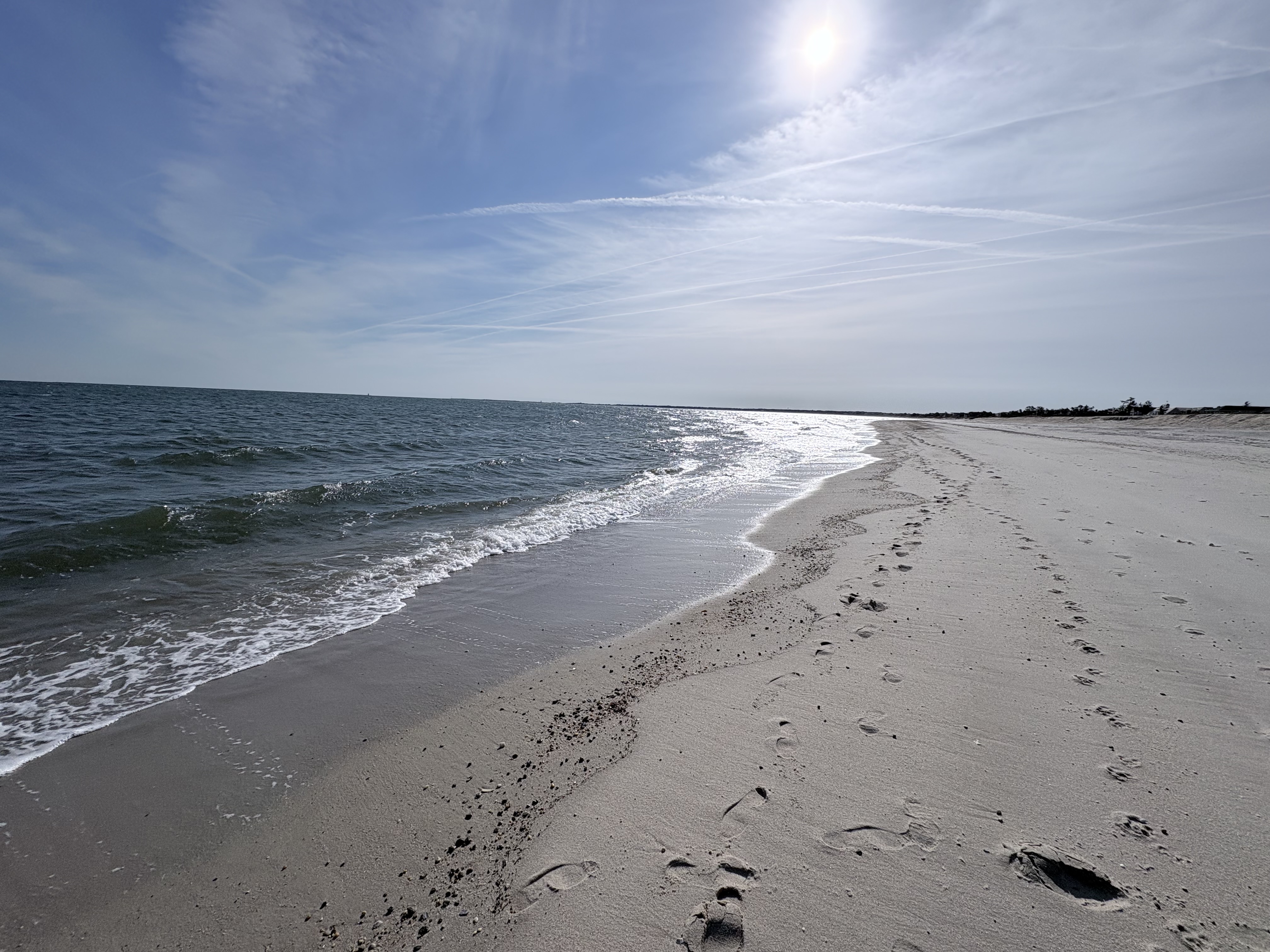
Sharon starts her writing day with a cup of coffee and, weather permitting, a trip to Cape Henlopen State Park, where the sounds and sights of the beach draw her into what she calls a "mind-writing space."

My first hour has me grabbing a cup of coffee and, weather depending, heading to Cape Henlopen State Park. The sound of the waves, the seagulls gliding by, and watching the horseshoe crabs mesmerize me into a mind-writing space. It is at the beach or in a cabin where I do my best writing.
When did Sharon Sweeney first realize she was a writer?
Sharon began writing songs and poems around the age of ten but did not fully reclaim her identity as a writer until retirement, when she returned seriously to a novel she had long been planning.
I started writing songs and poems around the age of ten. I felt then I would be an author and write a novel. I journaled my whole life, even doing business writing in my former profession. But it wasn't until I retired that I took my writing seriously again. With having my novel outline, bible and am close to rough draft completion, I now feel like a true writer. I have written numerous poems — once inspired, they flow quickly.
What is the real reason most people never write the book they have been carrying for years?
Sharon believes the most common barrier is the fear that one's writing isn't good enough, combined with a damaging pursuit of perfection on the first draft.
Like myself, I think most people are afraid their writing isn't "good enough." Not professional. Many people also feel the need to be perfect on first draft. Perfection is one of the greatest forms of procrastination. No novel or writings are perfect on the first draft; it only has to exist. You can shape a rough draft into perfection, but you can't shape a blank page into a novel.
Just start writing and when you feel overwhelmed, set it aside for a few days, then start again.
What was Sharon Sweeney really trying to work out when she started writing?
Sharon returns to a single underlying question across every form she writes — children's books, poems, short stories, and novels — exploring how we become whole after life changes us.
Whether it's writing a children's book, poem, short story or novel, I keep coming back to the same question: how do we become whole after life changes us? My writing has been my way of healing my mind and soul.
How does a book actually get made — from first instinct to finished draft?
Sharon's novel Driftwood Diaries began with beach walks near her Delaware home, where she found herself imagining the histories behind shells, sea glass, and lost objects, then capturing those thoughts by journaling on her phone.
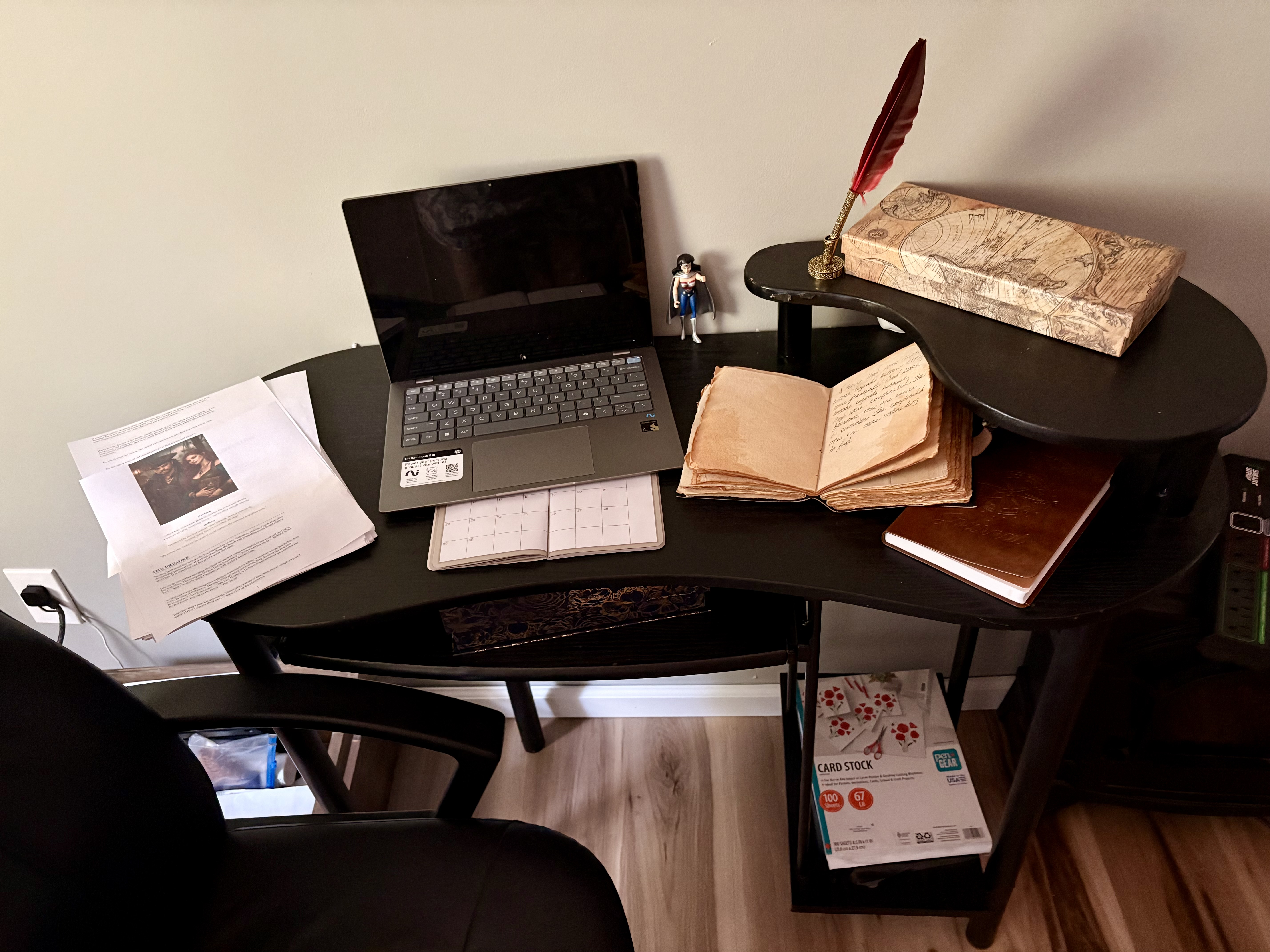
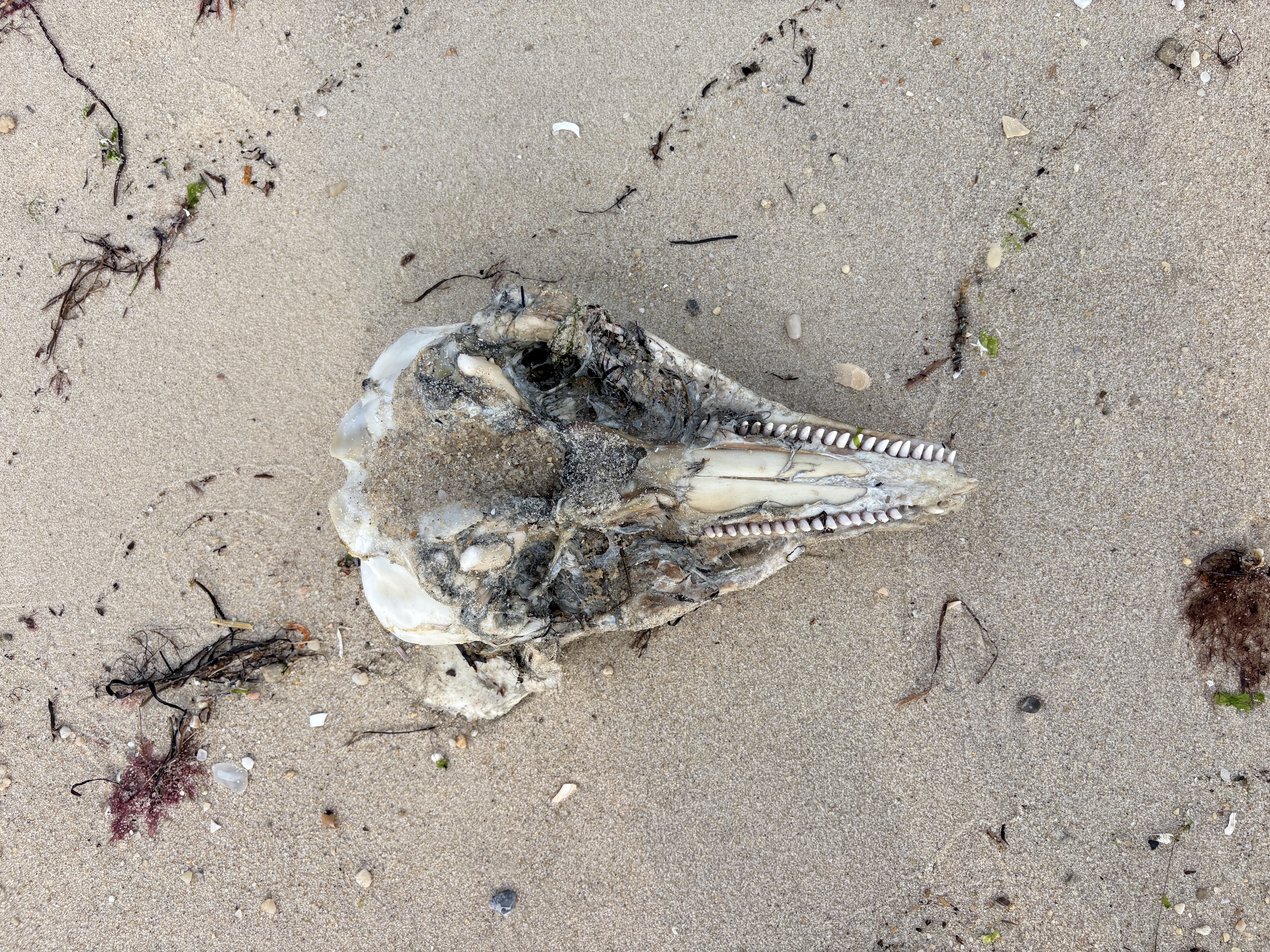
The idea of Driftwood Diaries came shortly after moving to the Delaware Beach area. I would walk the beach looking for shells, sea glass, or other lost treasures. I started imagining the story behind the bottles, the lost necklace, even the shark tooth. I then started journaling on my phone my thoughts. Never did I think those thoughts would form the basis of a novel.
I believe everyone has a story to tell. It's just a matter of if they choose to tell it.
Who got inside Sharon Sweeney's sentences and stayed — and how did she find her own voice?
Sharon cites John Prine, Maya Angelou, Robert Frost, and Agatha Christie as the writers who shaped her most deeply, and she eventually found her own voice in the intersection of romance, history, and the quiet beauty of the beach.
Oh, so many great poets, songwriters and novelists have inspired me. But the ones who got inside and stayed are John Prine, Maya Angelou, and Robert Frost. These three, although different in writing style, have so much in common. I can relate to. I'd also add Agatha Christie for her mystery.
Then I had to find my own voice and genre. My comfort zone is romance and history. The beach resonates with me for writing. It offers those quiet moments and I can find beauty in the scenery.
What did the writing process reveal that Sharon couldn't have predicted going in?
Sharon discovered that every poem and story she writes carries an underlying theme of hope — present even in loss, turmoil, and uncertainty.
I have discovered every poem or story I write has an underlying theme of hope. Even when there is loss, turmoil, loneliness, or uncertainty, hope always finds its way in. I am forever hopeful...
What is the hardest lesson Sharon Sweeney learned — and did it make it onto the page?
Sharon's longest-learned lesson is that healing is a series of small decisions made over time, not a single dramatic turning point — and that real transformation tends to happen quietly, beneath our awareness.
The one lesson I learned is healing is a series of small decisions made over time. Many of us wait for the big dramatic event or moment to change us, but real transformation happens quietly within us when we are not aware it is happening.
What do readers miss when they rush through one of Sharon's books?
Sharon says readers who focus only on the plot and historical references often miss the deeper story, which is about connection — to ourselves, to each other, and to the places that shape us.
I hope that I write so my readers can easily get the point, but they may think the story is in the plot or in the historical references. But the deeper story is connection to: us, to each other, and to places that shape us. Most people tend to rush through the story looking for the plot — they tend to miss the pauses that have a deeper meaning.
What does Sharon's work approach but never quite say out loud?
Sharon's unspoken message, running beneath all of her writing, is that small moments matter and that the world is changed by kindness rather than ego.
Small moments matter. The simple conversation may carry the most meaning. The world is changed by kindness, rather than loud brags of ego.
What do people almost always get wrong about who Sharon Sweeney really is?
Sharon's literary voice and her everyday personality are complete opposites — something she says most people would never guess from meeting her in person.
My writing style and my everyday voice are complete opposites. If you met me on the street, you wouldn't know the literary writer I am. I was blessed with high school and college teachers who pushed me to find my inner voice. To tap into the shy girl and write the stories in my mind in a voice of a poet.
What has been in Sharon's ears lately — music, podcasts, anything?
Sharon listens to a wide range of R&B, news, and crime podcasts, but when she writes, she replaces all of it with the sounds of nature.
Lots actually. I love R&B:
- Teena Marie
- Whitney Houston
- Ray Charles
I am also a news and crime junkie. My podcasts range from Jim Acosta to Lawrence O'Donnell to Dateline. However, when I write, I love the sounds of nature. The waves hitting the shore, the birds chirping, kids playing — they all help me focus on my thoughts.
What is Sharon's one goal for the next twelve months?
Sharon's stated goal for the next twelve months is to complete and publish Driftwood Diaries and the collection of poems she has accumulated.
Hold me accountable to complete and publish Driftwood Diaries and the collection of poems I have accumulated.
Thank you so much for sharing your story with us, Sharon!
Frequently Asked Questions about Sharon Sweeney
What is Sharon Sweeney's debut novel about?
As someone who moved to the Delaware Beach area and fell in love with its shoreline, I found the story for Driftwood Diaries in the objects I discovered on my beach walks — shells, sea glass, a lost necklace, a shark tooth. I began imagining the stories behind each one, journaling my thoughts on my phone until those fragments grew into the foundation of a novel. The deeper story is not just about plot or historical detail but about connection — to ourselves, to each other, and to the places that shape who we are. I am close to completing the rough draft and plan to publish it within the next year, alongside a collection of poems.
What is Sharon Sweeney's advice for someone who has been putting off writing a book?
Having struggled with the same hesitation myself, my strongest piece of advice is this: perfection is one of the greatest forms of procrastination. Many people believe their writing has to be polished and professional from the very first sentence, but no novel or piece of writing is perfect on the first draft — it only has to exist. You can shape a rough draft into something meaningful, but you cannot shape a blank page into a novel. Just start writing, and when you feel overwhelmed, set it aside for a few days and then start again.
Who are Sharon Sweeney's biggest literary influences?
Over the years, the writers who truly got inside my sentences and stayed are John Prine, Maya Angelou, and Robert Frost — three very different voices who nevertheless share qualities I deeply relate to. I would also add Agatha Christie for the pull of mystery in her storytelling. Each of them shaped something in how I approach language, but eventually I had to find my own voice and genre, which turned out to be romance and history, rooted in the quiet beauty of the beach and the scenery it offers.
What is Sharon Sweeney's central theme as a writer?
Across everything I write — whether it is a children's book, a poem, a short story, or a novel — I keep returning to the same question: how do we become whole after life changes us? Writing has been my way of healing my mind and soul, and I have also discovered that every piece I create carries an underlying theme of hope. Even when the subject involves loss, turmoil, loneliness, or uncertainty, hope always finds its way in. That is simply who I am — I am forever hopeful.
What is Sharon Sweeney's writing routine and preferred environment?
The first hour of my day begins with a cup of coffee and, weather depending, a trip to Cape Henlopen State Park on the Delaware coast. The sound of the waves, the seagulls gliding by, and watching the horseshoe crabs draw me into what I think of as a mind-writing space. The beach or a cabin is where I do my best work. When I write, I set aside all music and podcasts and let the sounds of nature — the waves hitting the shore, birds chirping, kids playing — keep me focused and present.
What does Sharon Sweeney most want readers to take away from her work?
The message that runs beneath all of my writing, even when it is never stated directly, is that small moments matter. A simple conversation can carry the most meaning, and the world is changed more by kindness than by loud brags of ego. Readers sometimes rush through looking for the plot or the historical references, but the deeper story is always about connection — to ourselves, to each other, and to the places that shape us. I hope readers slow down enough to find those pauses, because that is where the real meaning lives.