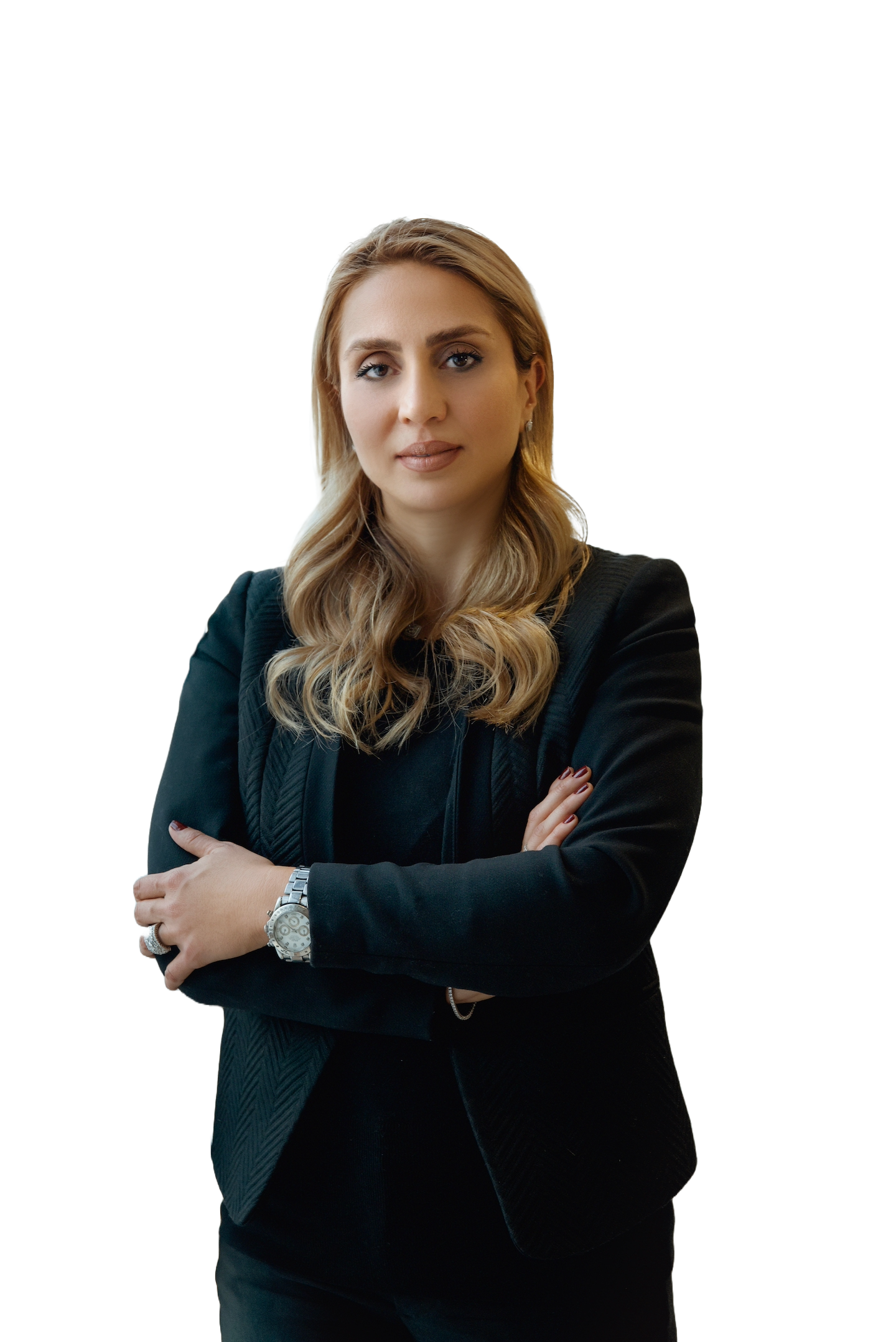
What time do you wake up every morning, and what's the very first thing you do before anything else?
I wake up early, it's a habit my parents instilled in me as a child, and it never left me. When I became a lawyer, I was always the first one at the courthouse, ready to start the day before everyone else arrived. There's a calm and a clarity to those early hours that I've come to depend on. The very first thing I do is take a quiet moment to myself before the day's demands begin, to gather my thoughts and set my intention for what needs to get done.
That's wonderful — there's something special about those early hours. How many hours of sleep do you typically get, and what made you settle on that number?

I sleep about six to seven hours a night. I genuinely appreciate a good night's rest I think it's underrated. Over the years I've learned that I do my best work, and serve my clients best, when I'm rested and sharp. Six to seven hours is the balance that lets me stay active and hardworking without running myself down.
That sounds like a healthy balance. Can you walk us through your morning routine in more detail — from the moment you open your eyes to when you actually start working?
I open my eyes early and don't linger. I start the morning with a quiet moment for myself, with a cup of coffee, then move into the day with purpose. By the time I sit down to work, I've already organized my priorities in my head. A big part of my morning is being available — I value my relationships with my clients deeply, and I'm always answering their calls. So from very early on, I'm reachable and engaged. The day really begins the moment someone needs me.

It's clear that availability is really important to you. Speaking of daily practices, what's one habit you do every single day that you believe has had the biggest impact on your success?
Being available to the people who count on me. I answer my clients' calls, every time. That consistency builds trust, and trust is everything in this profession. Alongside that, I'd say the discipline of always learning and staying the best at what I do. Learn your craft, be the best at what you do, and people will recognize your expertise. That principle has guided my entire career.
That's such valuable insight about building trust. Now, on the flip side, we always like to learn from challenges too. Can you tell us about a moment of real failure — something that genuinely shook you — and what it taught you about yourself?
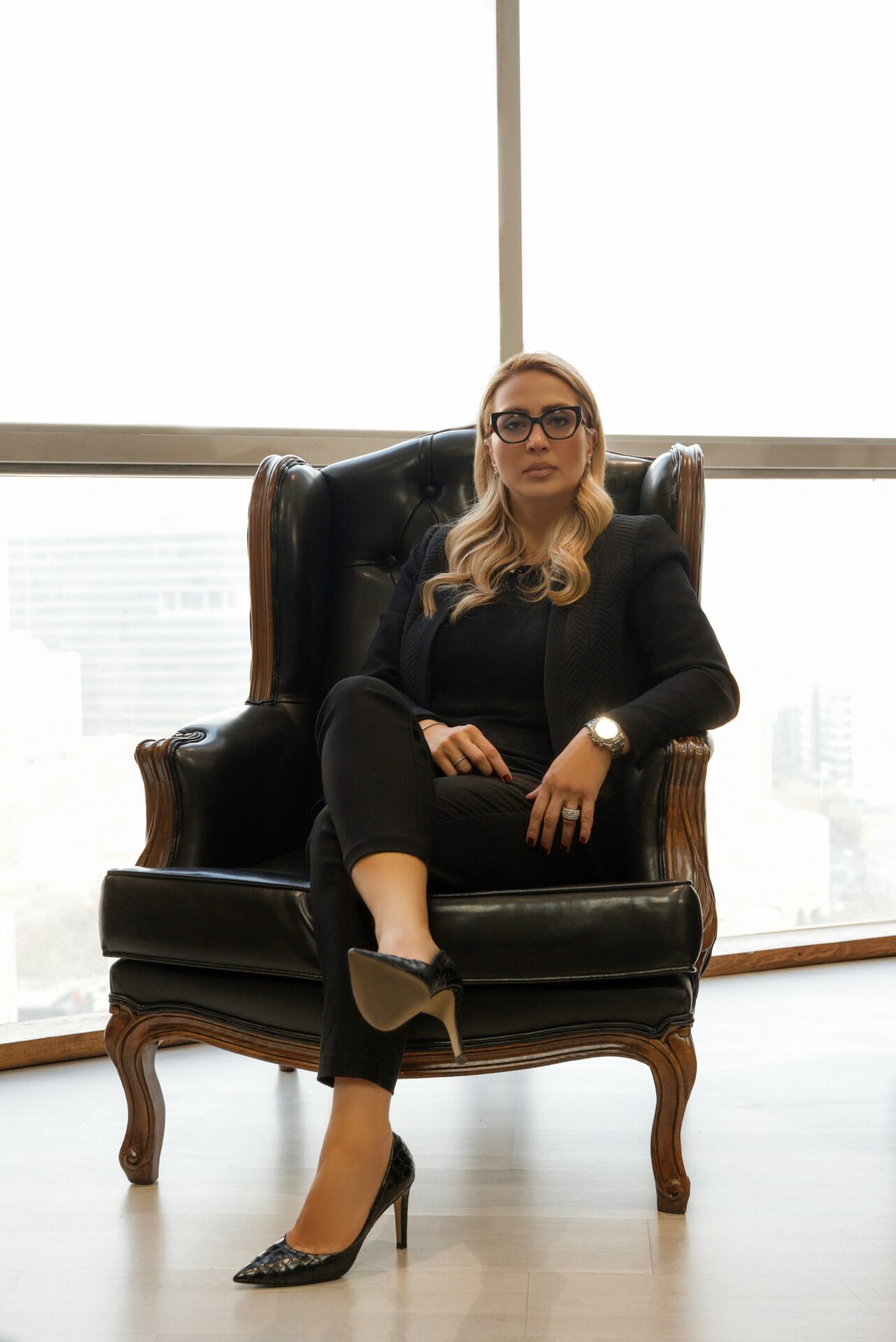
Honestly, I've been fortunate not to face many real failures in my work. I attribute that to two things: I learn from the experiences of others, so I avoid mistakes before I make them, and I have an incredible support system. My team is exceptional, and my husband has been a constant source of support throughout my career. What that's taught me about myself is that I'm not meant to do everything alone — and that surrounding yourself with the right people is its own form of wisdom.
That's really beautiful — the power of surrounding yourself with the right people. Before we wrap up, if you could go back and give your 20-year-old self one piece of advice, what would it be and why?
Learn your craft and become the very best at what you do — the recognition will follow. When you focus on real expertise instead of chasing recognition, people see it, and the rest takes care of itself. I'd also remind my younger self to value family and the people who support you, because they're the foundation that makes everything else possible.